
Florida Living
What should buyers know about alligators in Florida?
If you are moving to Florida, yes, there are alligators, and no, they are not casually knocking on front doors. In real life, they are usually more of a common-sense awareness issue than a daily problem. The key is knowing where they tend to show up, what normal behavior looks like, and how communities typically handle wildlife concerns.
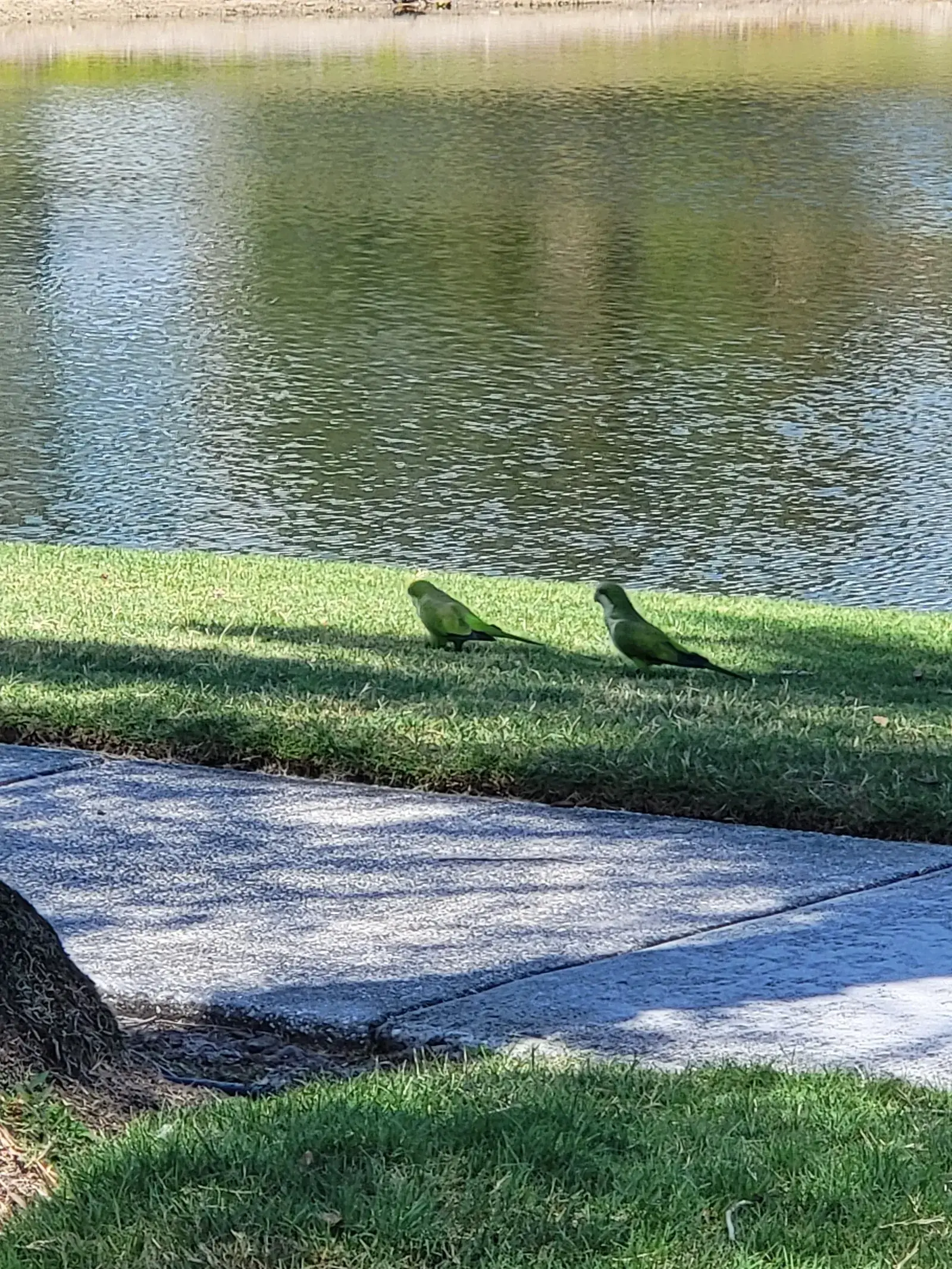
Alligators in Florida: What Homebuyers Should Realistically Expect
Most buyers from out of state picture Florida as one long wildlife documentary with better weather. In most communities, the reality is much more routine: you may see an alligator in a pond, canal, stormwater lake, golf course water, or preserve area from time to time, and residents simply learn a few basic habits and stay aware around freshwater edges. In Apollo Beach, Ruskin, Wimauma, Riverview, and nearby Southshore neighborhoods, that usually means respecting the water rather than living in fear of it.
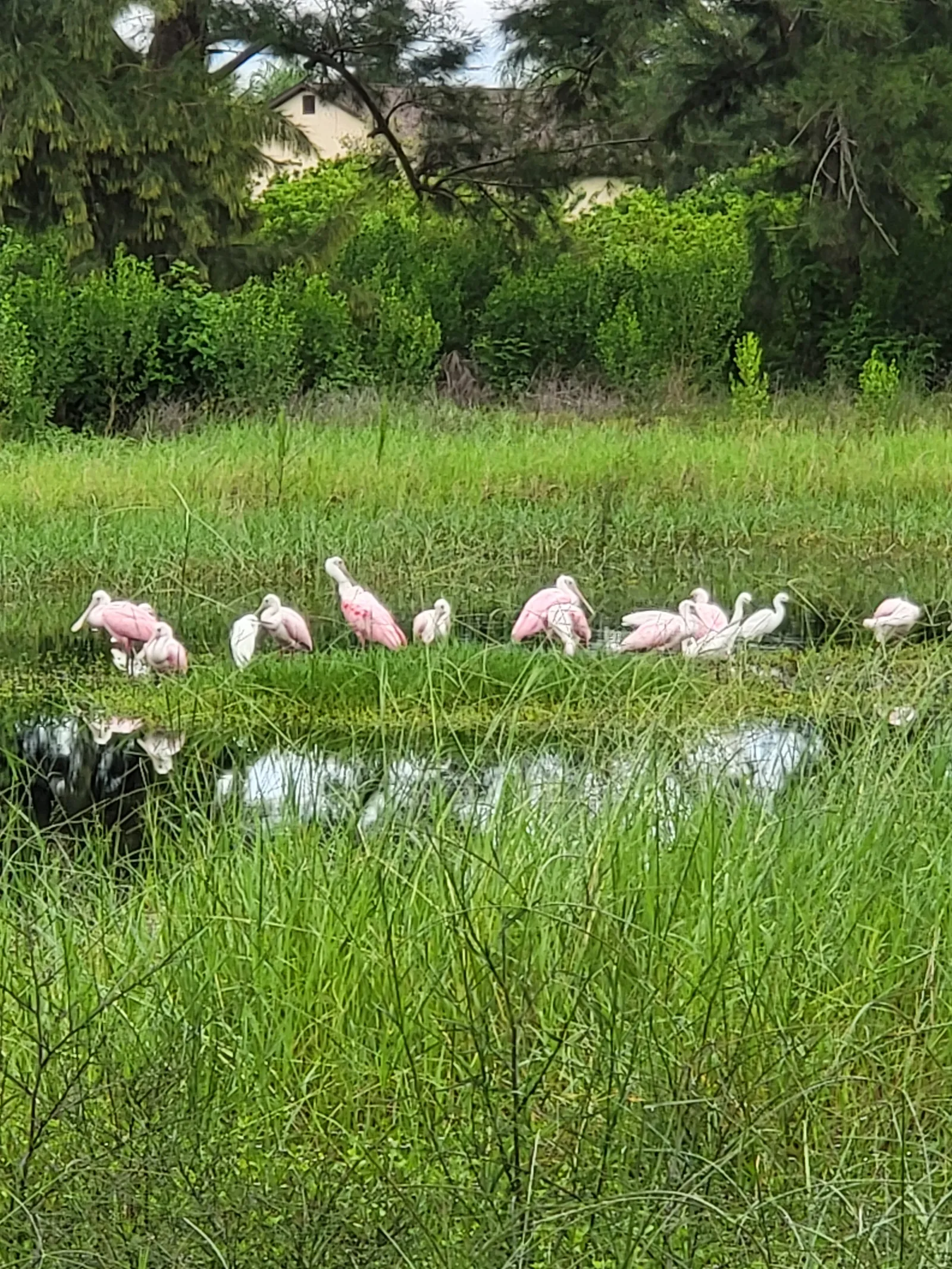
Day to day
What surprises most buyers?
For most homeowners, alligators are not something that changes daily life in a major way. They are usually seen near retention ponds, canals, golf course water, and preserve edges rather than roaming neighborhoods constantly. Newcomers are often surprised that the biggest adjustment is not panic, but routine awareness when walking dogs, fishing neighborhood ponds, or backing up to freshwater.
Safety basics
What habits actually keep you safe?
The biggest mistakes usually involve getting too close to the water, feeding wildlife, or letting pets wander near pond edges. Florida living comes with a few practical rules that quickly become second nature. If you are relocating from a place where ponds feel harmless, this is one of the clearest mindset shifts: assume any freshwater edge deserves a little respect.
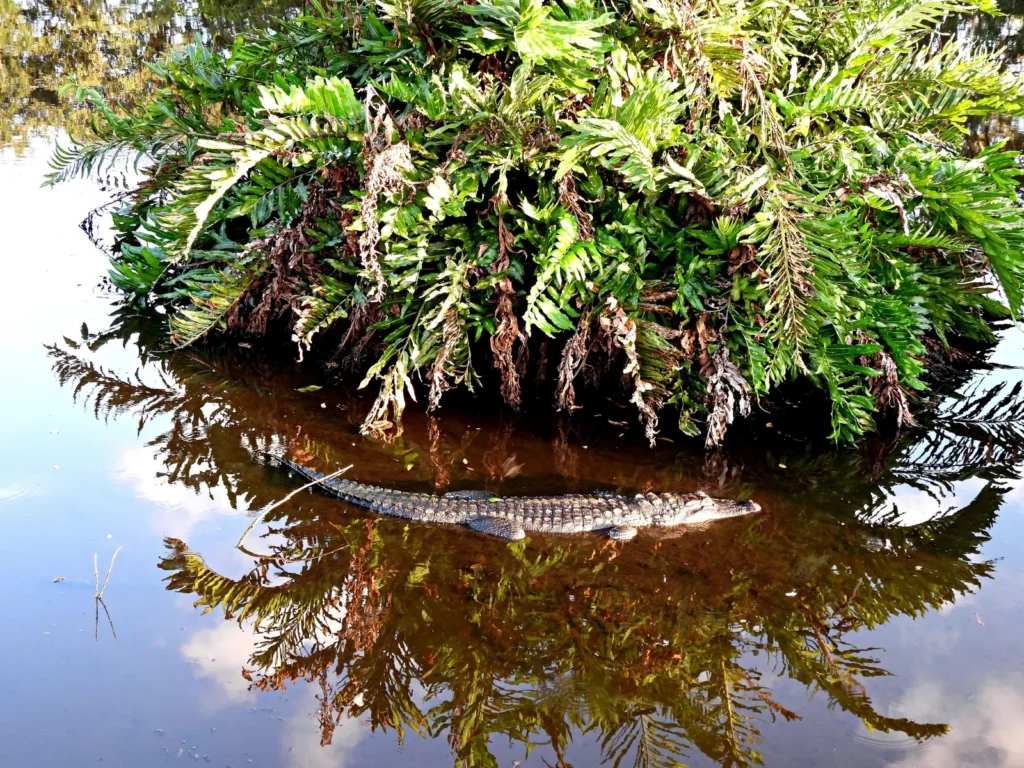
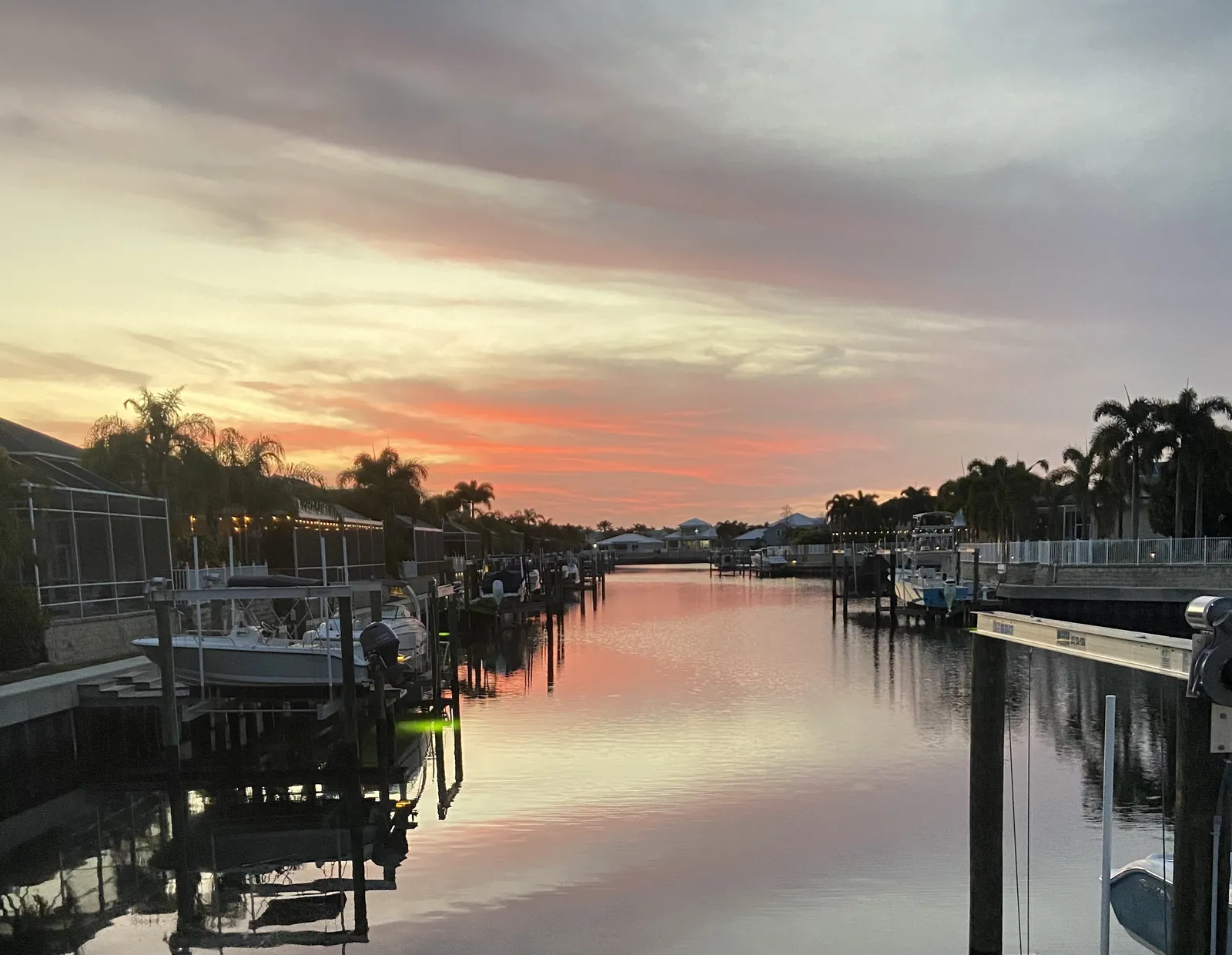
Community response
How do neighborhoods handle alligator concerns?
HOAs, property managers, and local residents typically know who to call when an alligator becomes aggressive, unusually bold, or shows up in a place where it creates a real safety concern. Not every sighting leads to removal, but serious issues are usually reported quickly. In practice, most neighborhood conversations are about awareness, pet safety, and reporting unusual behavior, not constant emergencies.
Common questions buyers ask
These are some of the most common alligator questions that come up during Florida relocation conversations, especially from buyers considering waterfront homes, pond views, and master-planned communities in Apollo Beach, Ruskin, and nearby areas.
Should buyers avoid homes near ponds or canals?
Not automatically. Water is a normal part of many Florida communities. The better approach is to understand the setting, follow basic safety habits, and evaluate the neighborhood the same way locals do.
Are alligators common in master-planned communities?
They can appear anywhere there is freshwater, including retention ponds and preserve areas. That does not mean the community has a constant wildlife problem. It usually means buyers should expect normal Florida conditions.
What about kids and pets?
The main rule is supervision near freshwater. Pets should not be allowed to roam pond edges, and children should be taught not to approach the water casually in areas where wildlife may be present.
Do communities remove every alligator that gets spotted?
No. A sighting alone does not always mean removal. Communities and wildlife authorities usually focus on animals that appear aggressive, lose fear of people, or create a clear safety issue.
Is this something out-of-state buyers worry about too much?
Often, yes. It is a real part of Florida life, but usually not in the dramatic way people imagine before they move. A practical understanding is more useful than fear.
Can this affect where you choose to buy?
It can shape preferences. Some buyers are more comfortable with less water nearby, while others are fine with waterfront or pond-front living once they understand what normal awareness looks like.
Where are alligators most commonly seen?
Most sightings happen around freshwater: retention ponds, drainage canals, golf course lakes, preserve edges, and quiet shoreline areas. In Southshore communities, that can include neighborhood ponds behind homes, walking trails near water, and canal systems that connect through residential areas.
Myths vs facts for newcomers
A common myth is that alligators are constantly roaming every Florida neighborhood. The more accurate reality is that they are tied to habitat and water access. Another myth is that every sighting means danger. In most cases, it means locals keep distance, watch pets, and report behavior that looks aggressive or unusually comfortable around people.
What should waterfront owners know?
If a home backs to a pond, canal, or freshwater edge, daily life usually stays very normal, but routines matter. Keep pets close to the house side of the yard, avoid lingering at the bank, do not leave food sources near the water, and treat dawn and dusk with extra caution. Buyers who love water views can absolutely enjoy them, but they should understand the setting the way locals do.
What if one is in the neighborhood?
If an alligator is simply present near water, neighbors usually give it space and keep moving. If it is lingering in a roadway, approaching people, hanging around homes, or acting aggressively, residents typically notify community management or the appropriate wildlife reporting channel. The key is not to approach it, feed it, or try to move it yourself.