
Florida buyers
What Buyers Should Know About Sinkholes in Florida
Sinkholes tend to sound much bigger and more common than they really are, especially if your childhood education came from Looney Tunes and you grew up assuming the ground might randomly open up under somebody every afternoon. In real Florida home buying, the question is not whether sinkholes make dramatic headlines. It is how risk is evaluated for a specific property, what records matter, and what smart buyers should ask before they commit.
What do people get wrong about Florida sinkholes?
Most buyers hear the word sinkhole and assume the risk is either everywhere or impossible to understand. In reality, buyers need a property-specific review, local context, and the right questions during due diligence.
Misconception 1
Is all of Florida one big sinkhole risk?
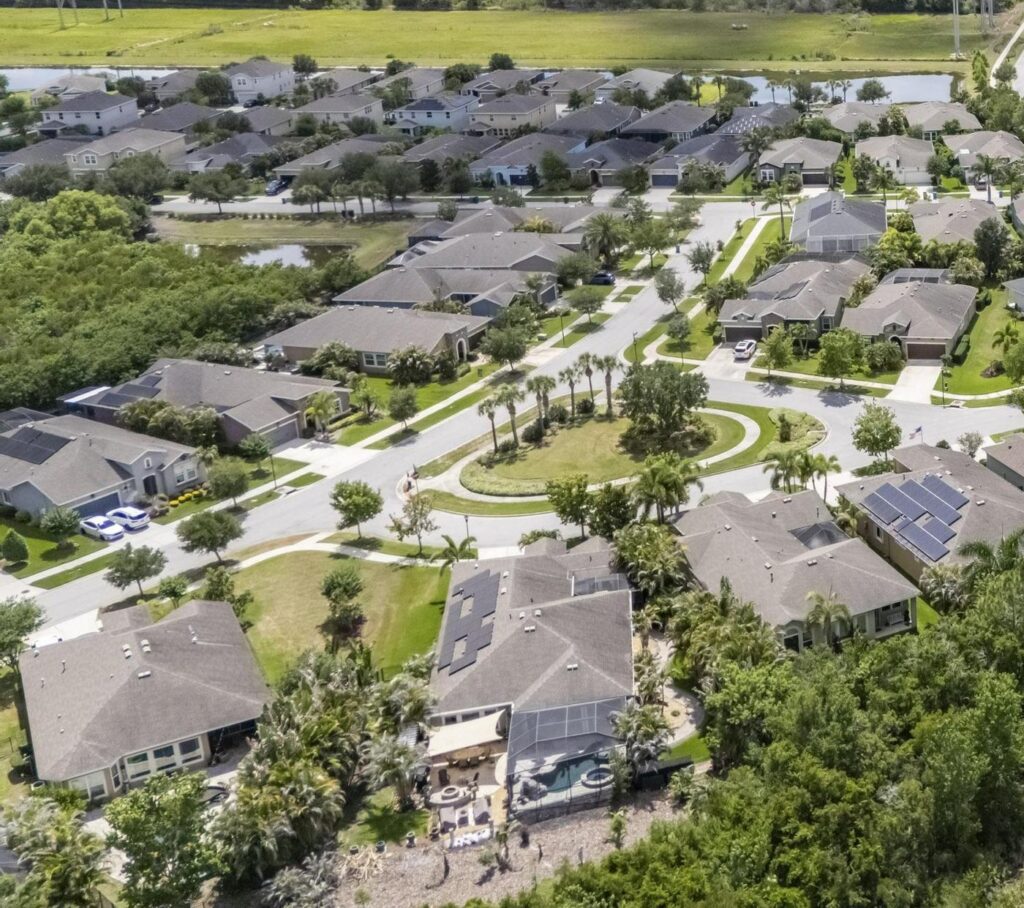
Sinkhole concern is not evaluated at the state level in any practical buying decision. The area people call Sinkhole Alley covers Pasco, Hernando and northern Hillsborough counties, north and east of Tampa. South Shore is generally not the area buyers lose sleep over, because the deeper aquifers along this stretch of coast are well sealed and the water pressure underground pushes up rather than down. I wrote a whole article on whether there are sinkholes in Apollo Beach if you want the full story. That still does not mean you ignore the issue completely. It means you keep the cartoon-level panic where it belongs, focus on the exact address, and review prior claims, disclosures, and available reports instead of assuming the whole state is one giant trap door.
Misconception 2
Does no visible damage mean there is nothing to worry about?
A home can look fine cosmetically and still deserve closer review. Cracks, settlement, drainage issues, repaired areas, and engineering history all matter. That does not mean there is a problem, but it does mean buyers should slow down and verify.

Misconception 3
Is a property either safe or unsafe?
Real-world decisions are rarely that simple. Buyers often weigh insurance availability, past stabilization work, lender comfort, resale impact, and how complete the documentation is. The goal is not panic. The goal is clarity.
How risk is evaluated
What actually matters when you are buying?
When buyers are serious about a home, the conversation should move from general fear to specific documentation. A smart review usually includes seller disclosures, insurance history, claim history when available, inspection findings, repair records, and whether an engineer or geotechnical expert has evaluated the property.
What do the records and disclosures tell you?
Ask for sinkhole disclosures, prior claims, stabilization records, permits, and any engineering reports tied to the home.
How do sinkholes affect insurance and lending?
Confirm whether coverage is available, what exclusions apply, and whether the lender has any extra documentation requirements before closing.
Florida law
What does Florida law say about sinkholes when you buy a home?
Florida is one of the few states with rules written specifically for sinkholes, and knowing them makes a seller disclosure and an insurance quote a lot easier to read.
Does homeowners insurance cover sinkholes in Florida?
Every Florida homeowners policy covers catastrophic ground cover collapse. That sounds broad, but it is narrow on purpose. The ground has to collapse suddenly, leave a depression you can see, cause structural damage to the home, and the home has to be condemned and ordered vacated by a government agency. All four, not one or two. (Florida Statutes 627.706)
Can you buy full sinkhole coverage?
Full sinkhole coverage is a separate, optional add-on. Insurers have to make it available for an additional premium, they can require an inspection before they write it, and the sinkhole deductible is a percentage of the dwelling limit, typically 1%, 2%, 5% or 10%. Gradual damage from sinkhole activity falls under this coverage, not the collapse coverage, so ask which one a quote actually includes.
Does a seller have to disclose a sinkhole claim?
Sellers have to disclose a paid sinkhole claim. If the seller filed a sinkhole claim and the insurer paid it, the seller must tell the buyer before closing, including whether the full payout was actually used to repair the damage. (Florida Statutes 627.7073)
How can you check a home’s sinkhole history?
Paid claims leave a public paper trail. When an insurer pays a sinkhole claim, the engineering report and certification are recorded with the county clerk of court, so they can turn up in an official records search on the property.
Can you rely on the Florida sinkhole map?
The state sinkhole map is a starting point, not a verdict. The Florida Geological Survey keeps a public map of reported subsidence incidents. It is great for seeing local patterns, but most of those reports were never field-checked, so a dot near a home is not proof of a sinkhole.
I am a REALTOR, not an attorney or an insurance agent, so lean on them for the fine print on a specific home. What this does tell you is exactly which documents to ask for, and that is where a good decision starts.
What should you ask before buying?
These are the practical questions I would want answered before a buyer moves forward on a Florida home with any sinkhole concern or history.
Has this property ever had a sinkhole claim or settlement claim?
Ask the seller directly and request documentation. Prior claims do not automatically kill a deal, but buyers need the full story.
Were any repairs or stabilization work completed?
If so, ask for reports, contractor records, permits, warranties, and any engineer sign-off tied to the work.
What does the current insurance situation look like?
Find out what the current owner carries, what a new buyer may be able to obtain, and whether there are exclusions or higher costs to plan for.
What did the inspection show?
General inspections can flag cracks, settlement patterns, drainage concerns, or signs that more specialized review may be worth considering.
How will this affect resale later?
Even when a property is financeable and insurable, buyers should think ahead about future buyer perception and how complete the documentation will look at resale.
Should I bring in a specialist?
For the right property, yes. A structural engineer or geotechnical professional may help buyers make a more confident decision when the history is unclear or the stakes are high.