
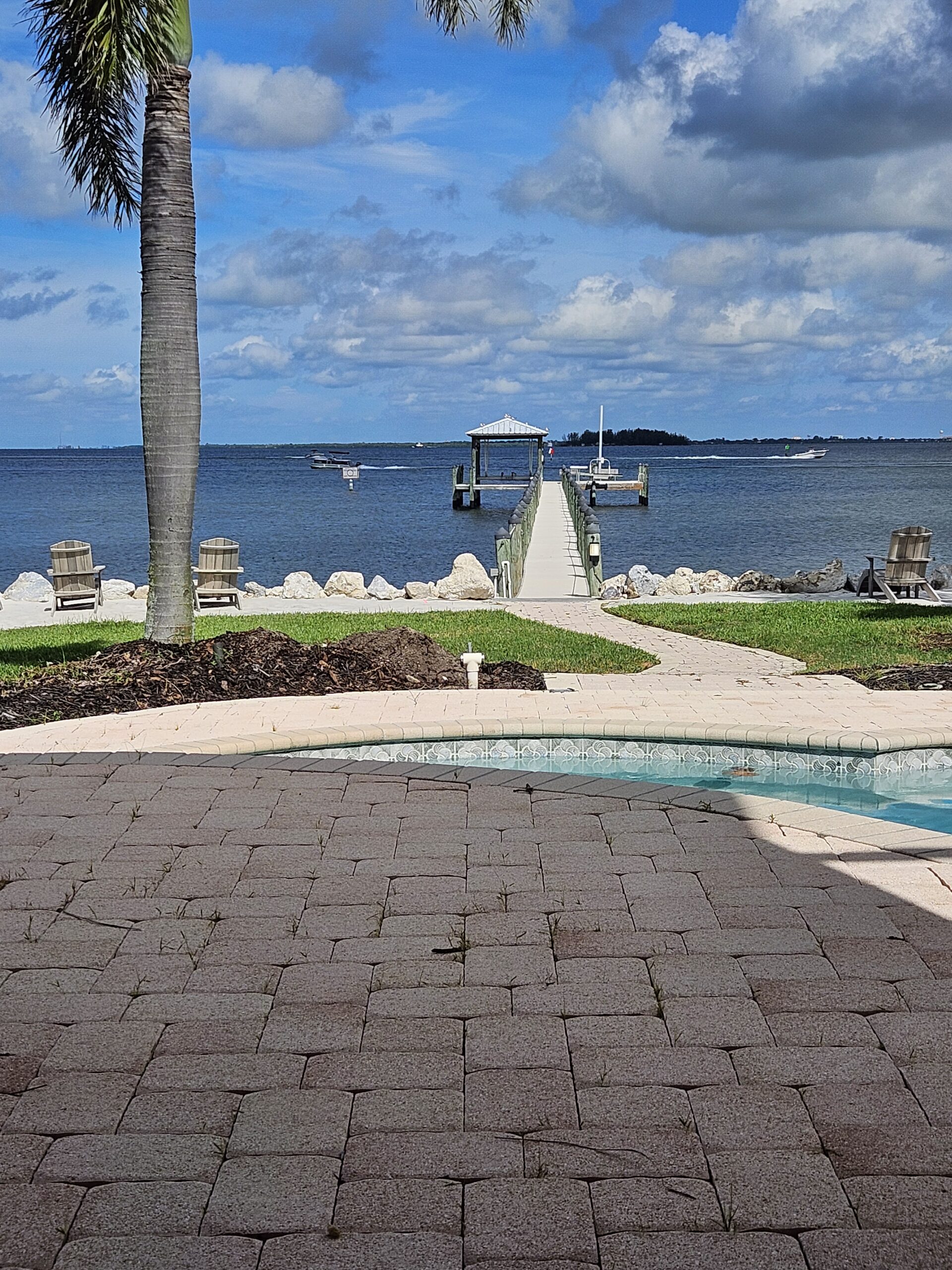
Apollo Beach can mean sunsets over Tampa Bay, a boat behind the house, golf carts on the neighborhood streets, and living outdoors nearly year-round.
It can also mean flood and insurance homework, August afternoons that will humble you, storm prep, CDD fees, traffic that depends entirely on what time you leave, and discovering that “waterfront” doesn’t always mean you can get a boat out. I’m not going to tell you it’s right for everybody — it isn’t. It’s right for a lot of people, if the community, the property type, the commute, and the real cost of ownership match how you actually plan to live.
Quick Answer: What Is It Like to Live in Apollo Beach?
Apollo Beach is an unincorporated Hillsborough County community on eastern Tampa Bay, south of Tampa. It combines established canal neighborhoods, gated waterfront communities, newer master-planned developments, townhomes, condominiums, villas, active-adult options, and older suburban streets.
Residents are drawn to boating, fishing, warm weather, sunsets, wildlife, community activities, and access to the broader Tampa Bay region. Daily life can feel relaxed and coastal, but Apollo Beach is still part of a growing metropolitan area. Traffic, development, construction, insurance, and service-provider availability belong in the relocation conversation.
1. Waterfront Living Comes in Many Forms
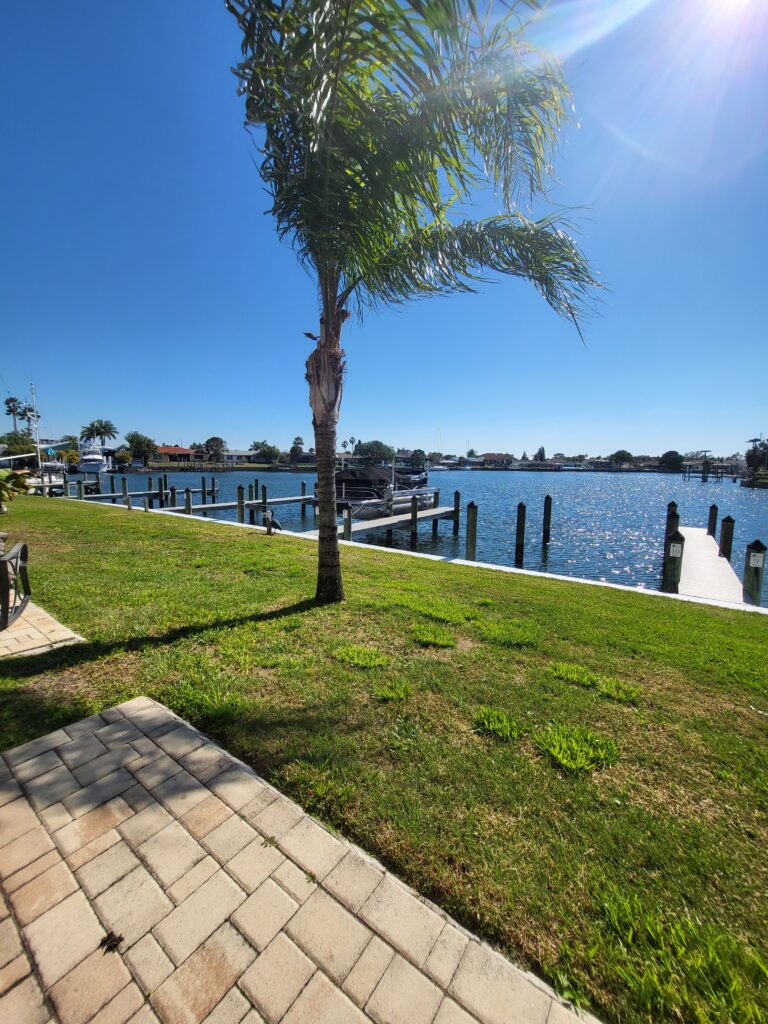
Apollo Beach is best known for water, but buyers should define what they mean by waterfront.
- Direct saltwater access: a canal, lagoon, harbor, or bayfront property connected to Tampa Bay.
- Community marina access: an off-water home with possible access to a shared marina or slip program.
- Water view: a home overlooking water without a usable dock or navigable route.
- Lake or pond frontage: attractive water behind the home that isn’t direct saltwater boating access.
- Near-water lifestyle: an inland home close to marinas, preserves, restaurants, and waterfront recreation.
For direct boating, check the full route, not only the backyard. Boat length, beam, draft, height, wet weight, bridge clearance, canal depth, turning room, tides, lift capacity, dock condition, and seawall responsibility can all affect the decision.
Read the Apollo Beach waterfront home buying guide before making an offer.
2. Apollo Beach Is Coastal, but It Is Not a Traditional Beach Town
The name can create the expectation of miles of resort-style swimming beach. Apollo Beach’s coastal identity is different. It’s centered on Tampa Bay, residential canals, boating, fishing, wildlife, pools, marinas, preserves, and waterfront gathering places.
Hillsborough County’s Apollo Beach Nature Preserve is a 63-acre habitat with an observation tower, fishing, bird watching, picnic tables, restrooms, and bay views. The listed amenities emphasize nature and shoreline recreation rather than a traditional resort beach experience.
Tampa Electric’s seasonal Manatee Viewing Center is another local landmark. It generally operates during the cooler months, when manatees gather near warm-water discharge. Check the official schedule before visiting.
3. Neighborhood Choice Changes the Experience
Apollo Beach neighborhoods vary substantially in age, architecture, fees, amenities, access control, water access, and maintenance responsibility.
Gated waterfront communities include MiraBay, Symphony Isles, Andalucia, Bimini Bay, Treviso, Caribbean Isles, and the developing Hammock Bay community. Other established waterfront areas include Cobia Cay, Beach Club Estates, Dolphin Cove, Shagos Bay, Bal Harbour, Hemingway Estates, and numerous older no-HOA canal streets. Hemingway Estates is waterfront but isn’t gated.
Master-planned and inland options include Waterset, Harbour Isles, Covington Park, Braemar, Island Walk, Mangrove Manor, Mangrove Point, Del Webb Southshore Falls, Lake St. Clair, Inshore Landing, Estuary, Lynwood, and smaller communities.
MiraBay includes both waterfront and off-water homes, along with heated resort-style pools, a 24-hour fitness center, courts, trails, a clubhouse, activities, and boating-oriented features. Waterset offers a large master-planned environment with trails, recreation, events, and multiple builders and sections. Older canal streets may offer fewer mandatory association restrictions but greater individual maintenance responsibility.
Use the full Apollo Beach neighborhood guide to compare the options.
4. Your Commute Should Be Tested, Not Guessed
Apollo Beach provides road access to Tampa, Brandon, Riverview, St. Petersburg, Sarasota, and surrounding employment and entertainment areas, but a map’s mileage doesn’t predict daily travel time. I-75, US 41, local construction, school traffic, bridge incidents, events, and rush-hour demand can change the experience.
Drive the route at the times you’ll actually use it. Test the trip to work, airport, medical care, family, schools, and frequent activities. A neighborhood that feels convenient at midday may feel very different on a weekday morning.
5. Outdoor Living Is a Major Part of the Appeal
Boating, fishing, paddleboarding, pool time, walking trails, pickleball, wildlife watching, grilling, and lanai living can become part of the weekly routine. Winters are a major attraction for residents moving from colder states.
Summer is different. Heat, humidity, afternoon storms, insects, salt air, and intense sun affect home maintenance and outdoor schedules. Screened lanais, shade, pool systems, landscaping, air conditioning, pest control, exterior materials, and drainage deserve more attention than many newcomers expect.
6. Florida’s Tax Picture Is Only One Part of the Budget
Florida doesn’t impose a personal state income tax, which can be attractive to some relocating households. That doesn’t mean living in Florida is tax-free or inexpensive.
Build the budget around the complete ownership cost:
- future property taxes after a change in ownership;
- Homestead Exemption eligibility and filing;
- HOA, condominium, and CDD assessments;
- homeowners, flood, wind, and other insurance needs;
- roof, air-conditioning, pool, seawall, dock, lift, and landscaping maintenance;
- utilities, pest control, and storm preparation;
- commuting, tolls, boat ownership, or marina costs.
The seller’s current property-tax bill may not predict the buyer’s future bill. Review the Florida property-tax guide for homebuyers.
7. Flood and Storm Due Diligence Is Property-Specific
Being west of US 41 is a practical visual cue that flood-zone due diligence may be especially important, but it isn’t a substitute for checking the individual parcel.
Review the current FEMA information, elevation certificate when available, finished-floor elevation, drainage, roof age, opening protection, claims history, evacuation information, and property-specific insurance quotes. Flood zone, water access, and actual elevation are different facts and shouldn’t be treated as interchangeable.
Prepare before hurricane season. The Apollo Beach and Southshore hurricane guide provides a practical starting point.
8. Newcomers Need a Reliable Local Network
Finding a home is only the first part of relocating. New residents may need inspectors, insurance agents, lenders, title professionals, movers, contractors, pool companies, landscapers, marine contractors, cleaners, handymen, pet care, and medical providers.
Good vendors can be busy, and response times may not match what you experienced in another state. Ask neighbors and trusted local professionals for introductions, confirm licenses and insurance where appropriate, compare written scopes, avoid large unsupported deposits, and keep more than one qualified contact for essential services.
See the guide to finding reliable Florida home-service providers.
Apollo Beach Relocation Checklist
- Define direct boating, water-view, amenity, and home-style priorities.
- Set a complete monthly budget that includes taxes, insurance, associations, CDD, and maintenance.
- Compare neighborhoods by ownership structure and daily lifestyle.
- Test commute routes during real travel times.
- Review flood, elevation, drainage, insurance, and storm considerations for each property.
- Confirm current school assignments directly if schools matter to the move.
- Visit during different times of day and, when possible, different seasons.
- Inspect the property using qualified professionals appropriate to its features.
- Build a local service-provider and emergency-contact list before closing.
- Keep a financial cushion for repairs, escrow changes, and move-in costs.
Frequently Asked Questions
Is every home in Apollo Beach waterfront?
No. Apollo Beach includes direct saltwater homes, lake and pond homes, water-view properties, inland communities, townhomes, condominiums, villas, and traditional suburban homes.
Is Apollo Beach good for someone who doesn’t own a boat?
Yes. Many residents choose the area for the climate, community amenities, Tampa Bay location, trails, pools, restaurants, wildlife, and housing options without needing direct boat access.
Is there a traditional swimming beach in Apollo Beach?
Apollo Beach is a coastal and boating community, but newcomers shouldn’t picture it as a resort beach town. Visit the local preserves and shoreline areas in person to understand the setting.
Are all Apollo Beach communities subject to CDD fees?
No. Some communities have a CDD, some have an HOA or condominium association, some have both, and some older neighborhoods may have no mandatory HOA. Verify each property.
How do I choose the right Apollo Beach neighborhood?
Start with the life you want, not a subdivision name. Compare boating needs, home type, maintenance, fees, amenities, commute, insurance, privacy, and future plans.
Get a Local Relocation Plan
Shawna Calvert lives in MiraBay and helps buyers compare Apollo Beach, Southshore, Tampa Bay, Sun Coast, Sarasota, and surrounding Florida options. Her approach combines relocation planning with property-specific waterfront, insurance, tax, community, and maintenance questions.
Shawna Calvert
27North Realty
Call or text: 509-294-6818
Email: shawna@27northrealty.com
Official Local Resources
- Apollo Beach Nature Preserve
- Tampa Electric Manatee Viewing Center
- FEMA Flood Map Service Center
- Florida Department of Revenue personal income-tax FAQ
Community features, fees, school assignments, development plans, travel times, insurance, flood information, taxes, and market conditions can change. Verify the details that matter to your move.