Most advice about how to find a realtor in Florida tells you to look for letters after someone’s name. I have been selling real estate here for years, and not one buyer has ever asked me about a designation. Not once.
When I see a long list of certifications on an agent’s profile, what I read is an agent with a lot of free time. The ones I respect are busy because they are working. What you actually need to know is simpler than any of that: does this person do this every week, in the places you are looking, with the kind of property you want to buy?
Here is what I would check if I were hiring an agent from another state, and the questions I would ask on the first call.
How do you find a realtor in Florida who actually knows this market?
Florida stacks up things that do not exist in most markets. Flood zones assigned parcel by parcel. Windstorm and flood insurance as separate policies from your homeowners coverage. CDD assessments that sit on the tax bill alongside HOA dues. Homestead exemption timing that depends on when you close. And on the water, canal depth, bridge clearance, lift capacity and community dock rules that decide whether the boat you own even fits behind the house.
If you are buying from out of state, you are relying on someone else to raise the things you do not know to ask about. A local buyer who misses something can drive back and look again. You cannot. That is the whole job, and it is why a friendly agent with no local depth is a genuine risk to your money.
Do real estate designations actually matter?
In my experience, no. Buyers do not ask about them, and I have never seen one change the outcome of a transaction. Coursework does not tell you whether an agent has stood on a seawall, pulled a community master dock plan, or explained a CDD to a buyer who was three days from closing. Volume and location do.
There is one exception worth knowing about. Some designations are national and some are issued by a single local association, so an impressive looking certification may have nothing to do with the market you are buying in. If an agent leans on a credential, ask who issued it and what it required. The answer is usually a weekend.
What should you actually check before you hire someone?
When you are working out how to find a realtor in Florida who is worth hiring, start with how much they close and where. Ask for a number: how many transactions last year, and how many of those were in the communities you are considering. An agent who works the same handful of neighborhoods every week knows which ones carry a CDD, which canals have a bridge problem, and how quickly a listing moves in each one. An agent whose closings are scattered across four counties is learning your market at your expense.
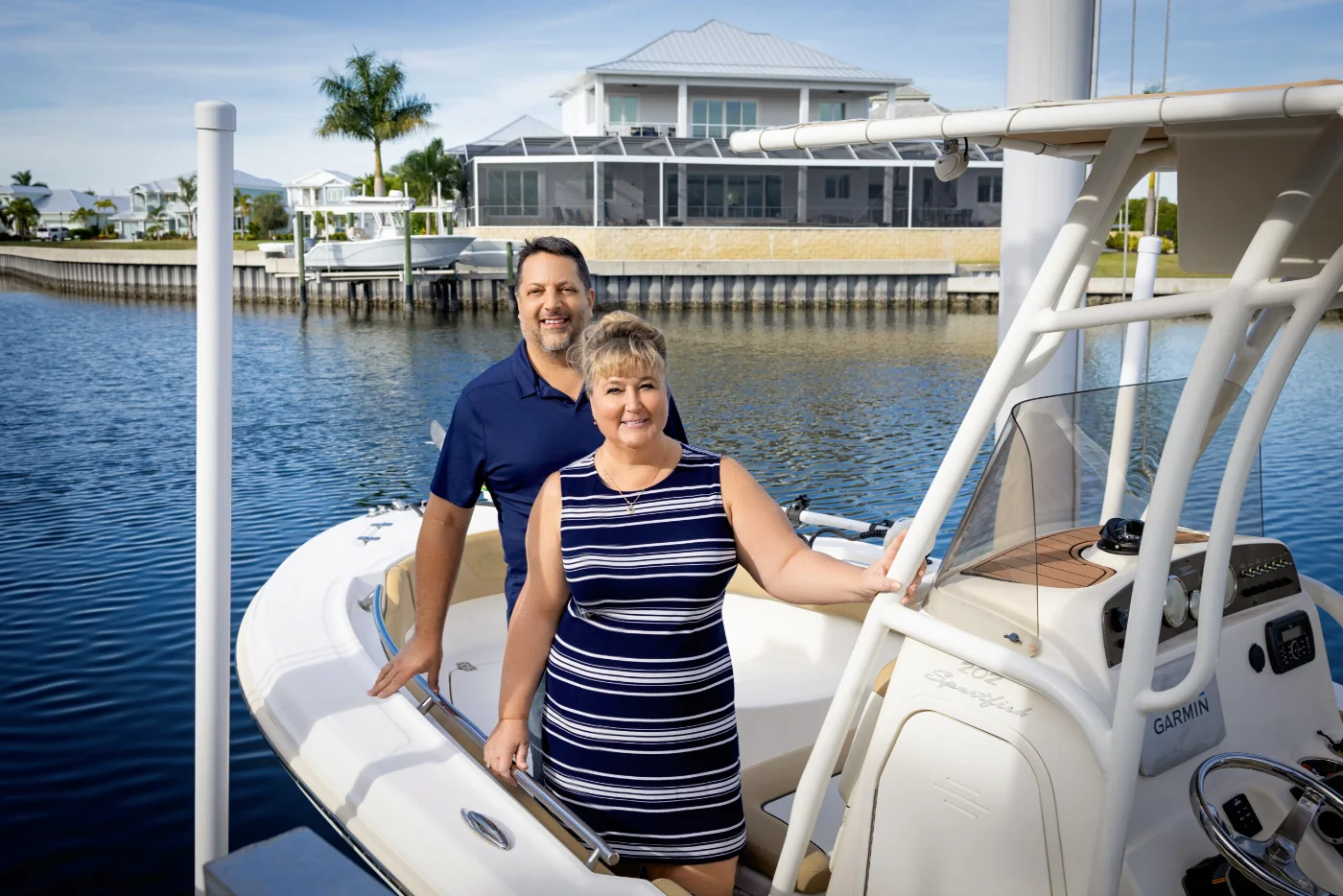
If you are buying waterfront, ask specifically how many waterfront transactions they closed, not just how many homes. Waterfront is its own skill set. For reference, I close more than 100 homes a year and more than 50 of those are waterfront, which is why I can tell you what a seawall costs before you order the inspection.
There is an easier way to check all of this than asking. The Homes.com app shows an agent’s actual transaction history and the communities they work in, so you can see for yourself how much someone closes and where, instead of taking their word for it. Look up whoever you are considering before the first call. Look me up too.
There is an easier way to check all of this than asking. The Homes.com app shows an agent’s actual transaction history and which communities they work in, so you can see for yourself how much someone closes and where, instead of taking their word for it. Look up whoever you are considering before the first call. Look me up too.
How do you verify a Florida agent’s license?
Every Florida license is public. Go to MyFloridaLicense.com, the state Department of Business and Professional Regulation site, and use the license search. Enter the agent’s name, confirm the license is active, see which brokerage holds it, and check whether there are any disciplinary actions on the record. It takes about five minutes and it is worth doing before you hand anyone your time.
What should you ask on the first call?
Ask questions with real answers, and listen for specifics rather than reassurance. Ask what the difference is between an HOA fee and a CDD fee, and how each one shows up in a monthly payment. A good answer explains that a CDD sits on the tax bill, funds the community and pays down the development bonds, and is usually based on lot size.
If you want a boat, ask how they check that it will actually work. A good answer covers the depth at the dock at low tide with the lift down, the bridges between you and open water, the community master dock plan, and the pound capacity of any lift already there. If the answer is that the listing says direct access, keep looking.
Ask how flood zone works and what it will cost on the specific house you are considering. A good answer sends you to the parcel, not to an average. Ask about homestead exemption timing, because closing in December instead of January changes when the benefit shows up. And ask what happens when you cannot be here in person, for a showing, an inspection, or a walkthrough. You want to hear a process, not a promise.
What does the brokerage name tell you?
Almost nothing. A recognizable brand means a marketing budget, not local knowledge, and any large franchise has both excellent agents and agents who are out of their depth. The name on the sign does not tell you which one you are talking to. The transaction history does.
What are the warning signs?
Pressure to sign a buyer agreement before your questions have been answered. Vague answers about flood zones, insurance or CDD fees. Reviews that are all generic praise with no mention of a specific deal, or a cluster of reviews from one month and nothing since. And the biggest one: an agent who treats your questions as an inconvenience. That does not improve once you are under contract. It gets worse, at the exact moment you need answers.
Should you just call the listing agent?
Buyers from other states are often told never to do this. In Florida I think it is frequently the better move, and I work both sides of a deal more than most agents do. The legal term here is transaction broker. Under Florida statute 475.278 that means I deal honestly and fairly with both of you, account for the money and disclose what materially affects the property. What I do not do is argue one of you down on behalf of the other.
The advantages to you are real. I already know what the seller wants, and I do not just mean the price. That includes whether they need time in the house after closing, whether they have somewhere lined up, and what they will fix and what they will not. Getting that home sold is what I am there to do. And I can show it to you without a buyer broker agreement, so you can walk through the house you actually called about without signing a contract with an agent you met ten minutes ago.
What you give up is an advocate arguing only your side, and some buyers want that. That is a fair thing to want, and if it is what you want, hire someone for it. But if you are looking at one specific house and you want straight answers about it quickly, calling the agent who already knows that house is not a trap. Ask which relationship you are in, get it in writing, and ask directly what changes about the advice you get. Any agent worth hiring will answer that without flinching.
What does it look like when someone gets it right?
Everything about how to find a realtor in Florida comes down to one behavior. The right agent tells you the uncomfortable things early, while you can still walk away cheaply. Flood zone and a real insurance quote before you are emotionally attached. The full monthly number, including taxes, insurance, HOA and CDD, before the list price sets in your head. An honest read on what a community is actually like to live in rather than what the brochure says. That is not a sales approach. It is just the job done in the right order.
Where should you start?
That is how to find a realtor in Florida who is worth your time. If you are moving to the Tampa Bay area, Southshore, or anywhere else in the state, call me before you start looking at houses. We will go through flood zones, what the monthly cost really is, which communities fit how you want to live, and if there is a boat involved, whether the water behind the house works for it. You can also read how I work with buyers on my relocation services page.