
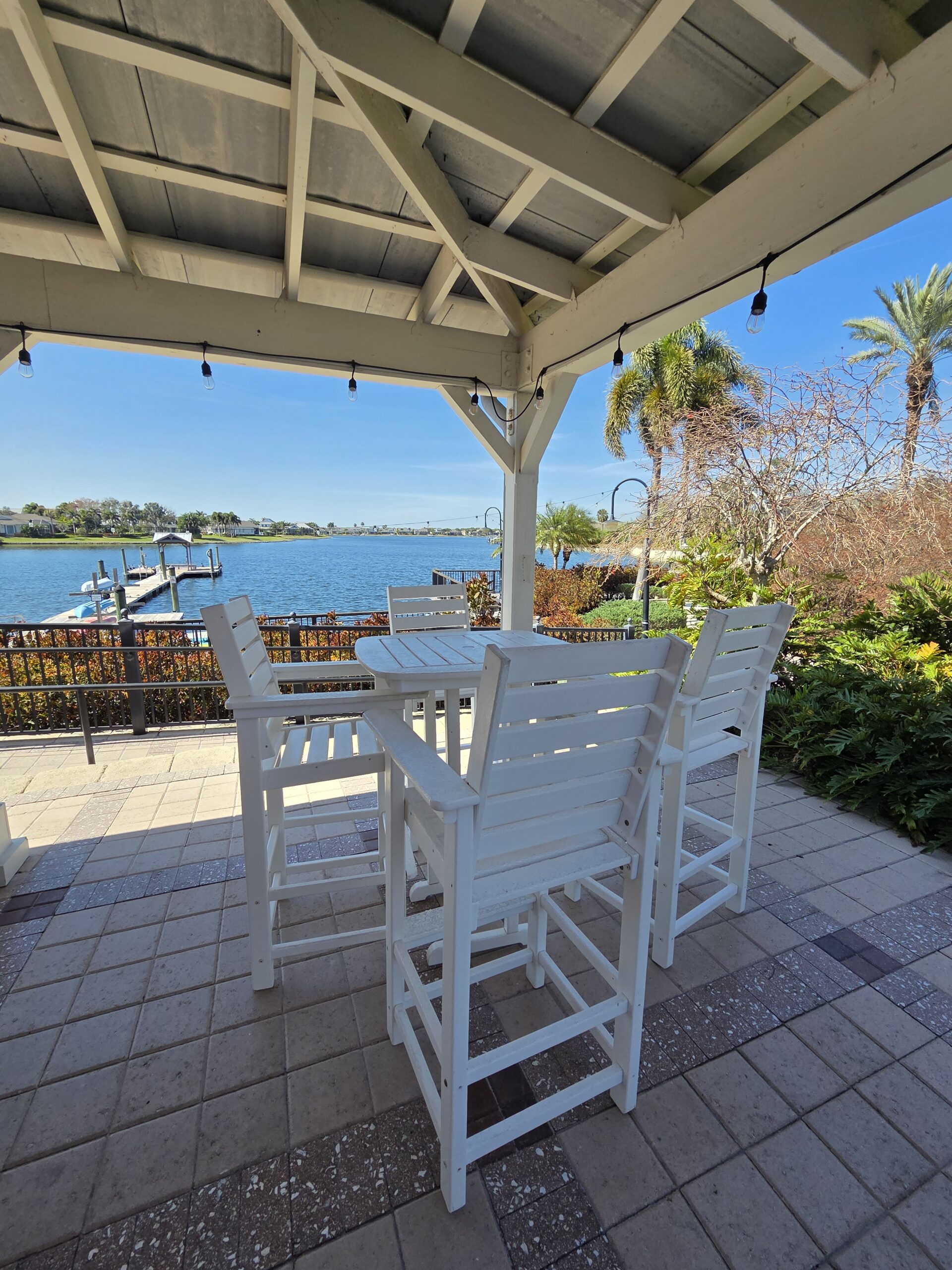
Retiring here means warm water, boats, fishing, and sunsets you don’t get tired of, with Tampa, Brandon, Riverview and the Sarasota beaches all an easy drive away. That part is genuinely as good as it sounds.
What decides whether you’re happy is less romantic: how the community is structured, what insurance costs, your flood exposure, the property taxes, how far you are from the doctors you’ll actually use, how much maintenance you want to do, and what you want a normal Wednesday to look like. Some retirees want an active-adult community with a full calendar. Others want a dock, a quiet street, and to be left alone. Both exist here, and they’re not interchangeable.
Quick Answer: Is Apollo Beach a Good Place to Retire?
Apollo Beach can be a great place to retire if you love warm weather, boating, fishing, being outside and the easygoing pace of the Southshore. It may not be the right fit if you want a walkable downtown, a classic Gulf beach outside your door, lots of public transportation, or as little storm and insurance planning as possible.
The smart move is to try the lifestyle on before you buy. Visit neighborhoods at different times of day, drive to the doctor and the grocery store, add up the full cost of owning, and look at both 55+ communities and neighborhoods open to all ages.

What does retirement in Apollo Beach feel like?
Apollo Beach sits on Tampa Bay in southern Hillsborough County. Life here revolves around canals, boating, waterfront homes, community amenities, eating outside and easy access to the rest of Tampa Bay.
It isn’t a classic beach town with a row of hotels, a boardwalk and a walkable tourist strip. If that’s what you picture, compare Apollo Beach with the Gulf beach towns before you decide. Apollo Beach is more about neighborhoods and boats.
Day to day, you’ll drive. Groceries, restaurants, doctor’s appointments, the airport, shows and visits with family may take you north toward Riverview, Brandon or Tampa, or south toward Ruskin, Parrish and Sarasota. Drive times can change a lot with traffic, construction and the time of day.
Why start with the lifestyle instead of the house?
Before choosing a community, decide what you want your week to look like.
- Do you want organized clubs, fitness classes, pools, pickleball, and social events?
- Do you want to keep a boat behind your home?
- Would you rather use a marina and avoid seawall or dock maintenance?
- Do you want a single-family home, villa, townhome, or condominium?
- Is lawn and exterior maintenance included important?
- Do you want age-qualified living or a neighborhood with residents of all ages?
- How close do you need to be to healthcare, family, airports, or employment?
- Would you be comfortable preparing for hurricanes and possible evacuation?
A beautiful home in a community that doesn’t suit you can turn into an expensive compromise. Pick the community first.
What active-adult and low-maintenance options are there?
Del Webb Southshore Falls
Del Webb Southshore Falls is a cozy gated 55+ community in Apollo Beach with live security at the gate. People love its clubhouse, three heated pools, fitness options, busy calendar of clubs and activities, and single-story homes.
Before you buy, check the current age rules, HOA fees, what the HOA covers, rental rules, approval steps, reserves, insurance responsibilities and any big projects coming up. Amenities and fees can change.
Villa and Condominium Choices
Some buyers look at villas or condos for a lower maintenance lifestyle. The Seacrest villas in MiraBay may appeal to buyers who want the community amenities with less outside upkeep, depending on the rules and responsibilities for that specific home and association.
A condo or villa isn’t automatically maintenance free. Find out which association handles the roof, the outside of the building, landscaping, insurance, flood coverage, utilities, reserves and repairs, and whether you will pay more than one association fee.
Nearby Active-Adult Alternatives
Sun City Center is a big 55+ community nearby with a different feel: bigger scale, a golf cart culture, different kinds of homes and its own network of amenities. Other Southshore and eastern Manatee County communities are worth a look too.
Comparing Apollo Beach with Sun City Center, Ruskin, Parrish, Riverview and other areas helps you tell the difference between loving a house and loving the location and lifestyle around it.
What are the waterfront retirement options?
Apollo Beach has waterfront choices from gated communities with amenities to older canal homes with no HOA and condos on the water. Retiring on the water can be wonderful, but the water becomes part of your buying decision and your maintenance plan.
Buyers should investigate:
- Canal depth, width, tides, and route to Tampa Bay
- Fixed bridges and boat-clearance limits
- Seawall ownership, age, condition, and replacement responsibility
- Dock and boat-lift condition, capacity, electrical service, and permits
- Flood zone and finished-floor elevation
- Homeowners and flood insurance quotes
- Storm preparation and evacuation planning
- Saltwater exposure and exterior maintenance
- HOA, CDD, condominium, or marina rules
Don’t pay extra for waterfront until you know the home really fits the boating or the view you want. A home can be on the water and still not work for your boat.
Gated, Amenity, and Traditional Neighborhoods
Retirees aren’t limited to 55+ communities. Some love gated waterfront neighborhoods like MiraBay, Symphony Isles, Andalucía, Bimini Bay, Caribbean Isles, Treviso or Hammock Bay as homes there come available. Others prefer an established canal home with no HOA, or a newer neighborhood open to all ages like Waterset.
Each choice changes the mix of privacy, amenities, social life, fees, rules, upkeep, boating access and who you’ll sell to someday. A gate doesn’t automatically mean less maintenance, and an HOA usually doesn’t take care of your seawall or dock.
Check the current status, construction timing, fees, who is responsible for what, and the access for the specific home. The community name alone won’t answer those questions.
What does it really cost per month?
The price or the mortgage payment is only part of what you’ll spend in retirement. Build an estimate for the specific home that includes:
- Property taxes based on the buyer’s likely taxable value
- Homeowners insurance
- Flood insurance when required or desired
- HOA, condominium, and CDD charges
- Lawn, pool, pest, and exterior maintenance
- Roof, HVAC, plumbing, and major-system reserves
- Seawall, dock, and lift maintenance for waterfront property
- Utilities and transportation
- Healthcare and prescription costs
- Travel and seasonal-home expenses
Don’t assume the seller’s tax bill or insurance premium will be yours. A sale, exemptions, the assessed value, your coverage, the insurer’s rules, past claims and the home’s features can all change what you pay.
How does Florida tax retirement income?
The Florida Department of Revenue says Florida has no personal income tax. That means the state doesn’t tax your wages, pension, IRA withdrawals or Social Security.
You still pay federal taxes, and everyone’s situation is different. Florida residents also pay property taxes, sales tax, insurance and other fees. Talk with a tax or financial professional about your move, especially if you’re changing your legal residence, selling property in another state, taking money out of retirement accounts or planning your estate.
Property Taxes, Homestead, and Portability
If the home is your main Florida residence, you may qualify for homestead benefits once you apply and meet the requirements. The Save Our Homes cap limits how fast your assessed value can rise, and if you move from one Florida homestead to another, portability may let you bring some of those savings with you.
Don’t estimate your taxes from the current owner’s bill. Ask the county property appraiser about exemptions, portability, deadlines and what your assessed value is likely to be after you buy.
What should retirees know about insurance and storms?
Shop insurance before you fall in love with a home. The roof’s age, the electrical and plumbing, storm features, the flood zone, elevation, how the home was built, past claims and how exposed it is on the water all affect what coverage you can get and what it costs.
If you’ll be away part of the year, ask your insurance agent about rules for an empty home, monitoring, shutting off the water and getting ready for hurricanes while you’re gone.
A practical storm plan includes:
- Knowing the evacuation zone and route
- Understanding community gate and access procedures
- Planning for pets, medication, mobility, and medical equipment
- Knowing who will secure shutters, outdoor items, boats, and docks
- Maintaining digital records of insurance, property, and emergency contacts
- Planning for power outages and post-storm access
How do you check healthcare access before you move?
Apollo Beach has local doctors and wellness providers, with more hospitals and specialists in Riverview, Brandon, Tampa and nearby areas. Which way you’ll go depends on where you live, your insurance network, traffic and the time of your appointment.
Before buying, identify:
- Your primary-care and specialist options
- The hospital and emergency department you’d use
- Pharmacy and urgent-care access
- Medicare or insurance network participation
- Transportation and support for procedures
- Travel time during rush hour and storms
A ten-mile distance can feel very different depending on the road and time of day. Drive the actual route.
Boating, Fishing, and Outdoor Life
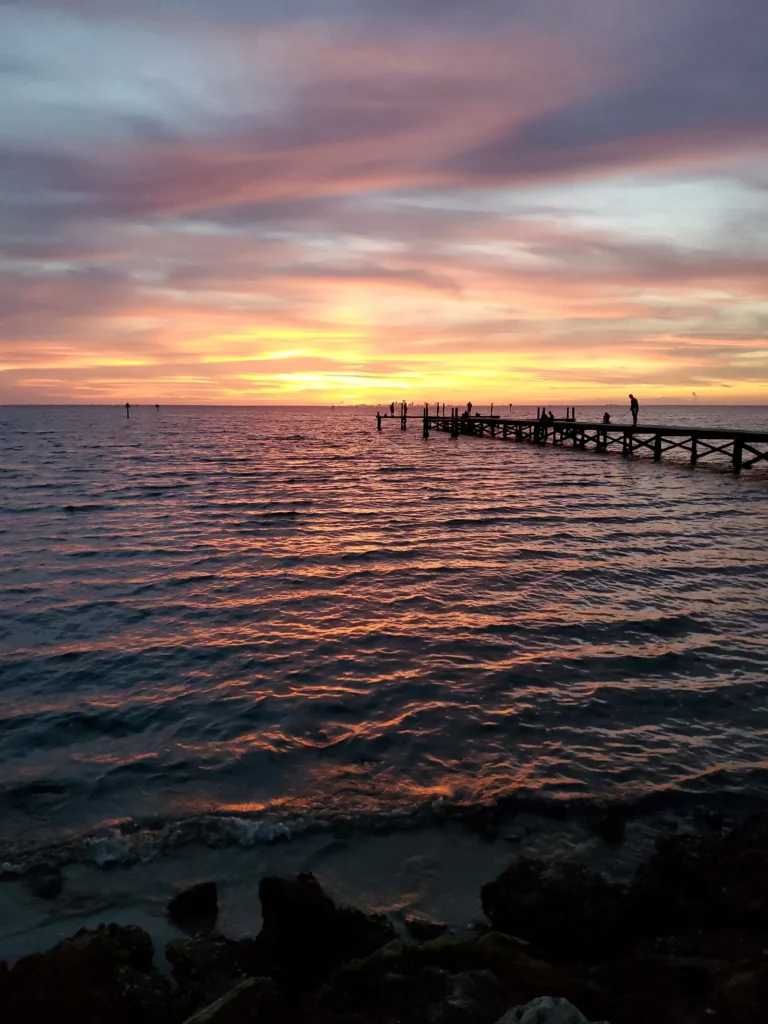
For a lot of retirees, the draw is simple: more time outside. In Apollo Beach that can mean fishing, kayaking, boating, walking, the community pool, dinner outside and sunsets over Tampa Bay.
Owning a boat also means maintenance, fuel, insurance, storage, lift care and storm planning. If you want time on the water without all of that, look at marinas, boat clubs, public launches and communities away from a private canal.
Golf carts are popular in some communities and neighborhoods, but they aren’t legal on every road. Check the community rules, which roads allow them, the equipment and license requirements and your route before you count on a golf cart to get around.
What Snowbirds Should Consider
Seasonal residents should evaluate:
- Association rules for occupancy and rentals
- Property-management or home-watch services
- Mail, vehicle, and insurance arrangements
- Storm preparation when the owner is away
- Humidity, pest, pool, and HVAC monitoring
- Security and water-leak detection
- Domicile and tax questions
- Whether the neighborhood feels too quiet or too busy in each season
Visit during both the season you plan to occupy the home and a hotter, wetter part of the year if possible.
A Retirement Community Comparison Checklist
- Confirm age qualifications and approval rules.
- List every HOA, condominium, CDD, club, and marina charge.
- Identify what maintenance is included.
- Review budgets, reserves, insurance, and assessments.
- Test healthcare, grocery, airport, and family routes.
- Obtain property-specific homeowners and flood quotes.
- Review roof, HVAC, electrical, plumbing, and wind-mitigation information.
- Verify boating access and waterfront responsibilities.
- Visit during different times and days.
- Compare resale restrictions and likely future buyer demand.
Frequently Asked Questions
Is Apollo Beach only for boaters?
No. Waterfront living is a big part of Apollo Beach, but there are also neighborhoods off the water, 55+ communities, newer master planned communities, villas, townhomes and condos.
Does Apollo Beach have traditional Gulf beaches?
Apollo Beach is on Tampa Bay and is known more for canals, boating, fishing and waterfront neighborhoods than for a resort style Gulf beach. If a classic beach is at the top of your list, compare other coastal towns too.
Are all Apollo Beach retirement communities 55-plus?
No. Most Apollo Beach communities are open to all ages. Check the age rules for the specific home and association.
Is Florida tax-free for retirees?
No. Florida has no personal income tax, but you still pay federal taxes, property taxes, sales tax, insurance, fees and other costs.
Do I need flood insurance?
It depends on the home, its flood zone, your lender, the policy and how much risk you’re comfortable with. Get advice and quotes for that specific home before your contract deadline.
Can I use a golf cart everywhere in Apollo Beach?
No. Whether it’s legal depends on the road, local rules, your equipment, community rules and state law. Check your exact route.
Choose the Version of Apollo Beach That Fits You
Retiring in Apollo Beach might mean 55+ amenities, a low maintenance villa, a gated waterfront home, a canal home with no HOA or a regular neighborhood close to family. The best choice is the one that fits your daily routine, your comfort with risk, your budget and your plans for the years ahead.
If you’re weighing retirement options in Apollo Beach and the Southshore, Shawna Calvert at 27North Realty can help you compare communities, costs, waterfront details and the everyday tradeoffs. Tell her how you picture a normal week in retirement, and she can usually point you to the right two or three neighborhoods.
Start with the Apollo Beach area guide and then narrow the communities that fit your priorities.
Shawna Calvert
27North Realty
Call or text: 509-294-6818
Email: shawna@27northrealty.com
Official Resource
This article is general real estate information. It isn’t legal, tax, financial, insurance, medical or association advice. Community rules, fees, insurance requirements, tax laws and services can change, so check the details for the specific home and your own situation.