
The question isn’t “is now a good time to buy?” Nobody can answer that for you, and anyone who tries is guessing.
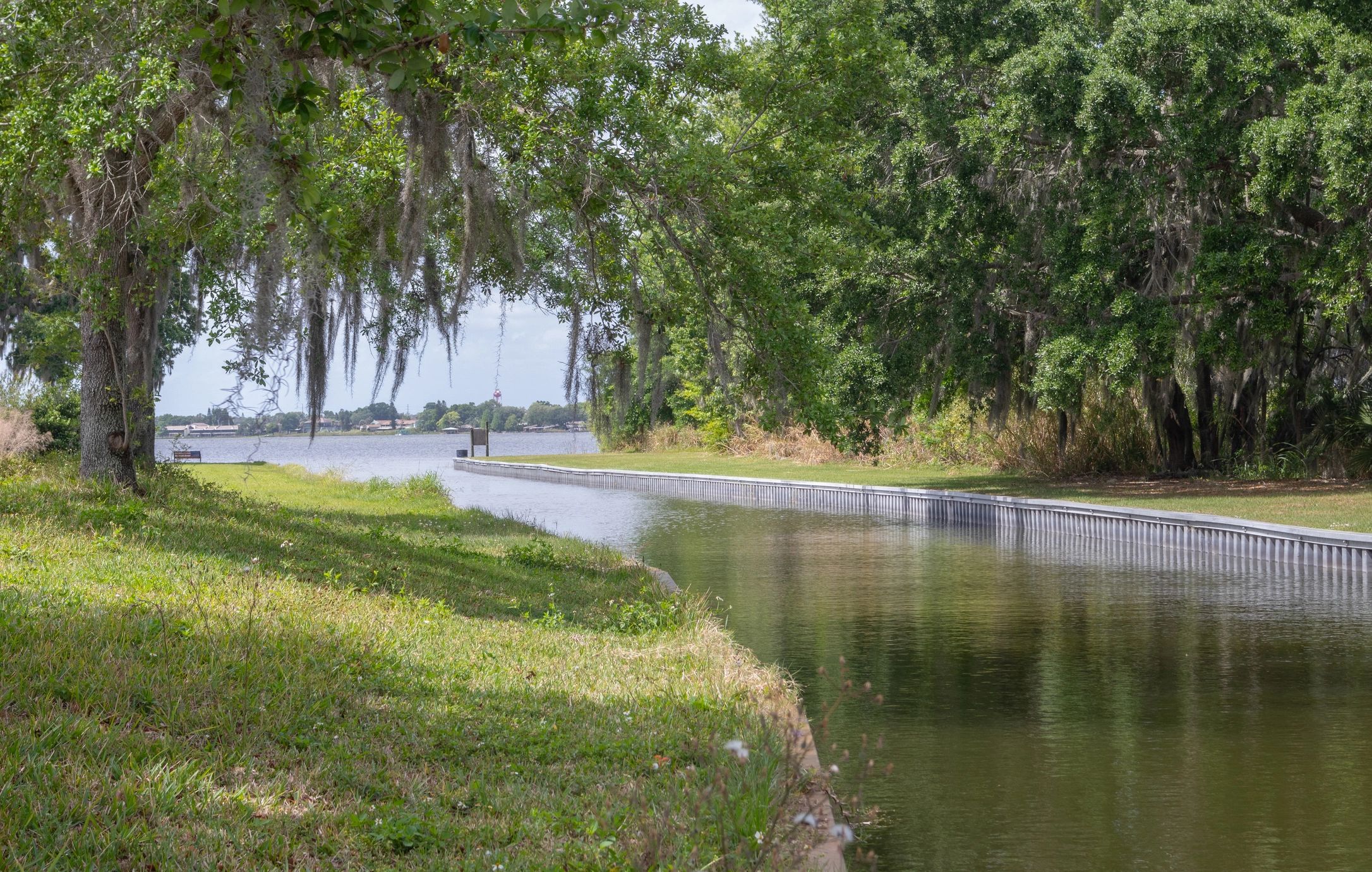
The real question is whether this specific house gives you the life you want at a cost and a risk level you can live with. Apollo Beach has a mix that’s genuinely hard to find anywhere else on Tampa Bay — established canal streets, newer master-planned neighborhoods, 55-plus communities, villas, family houses, and waterfront running from modest canals to wide-open bay views. That range is the whole appeal, and it’s also why you have to compare these houses one at a time.
Apollo Beach offers a mix that’s difficult to duplicate elsewhere around Tampa Bay: established canal neighborhoods, newer master-planned communities, 55-plus options, villas, family-sized homes, and waterfront properties ranging from modest canals to open-bay views. Those choices are a strength, but they also make property-by-property comparisons essential.
What is the Apollo Beach market doing?
As of June 2026, Realtor.com described Apollo Beach as a balanced market. Its market page reported a median listing price of $540,000, a median sold price of $493,499, and a median 66 days on market. Homes sold for about 98% of asking price on average, or roughly 1.8% below the final list price.
Those figures are a snapshot, not a promise about an individual home. They do suggest that buyers have more room for inspections, property-specific research, repair discussions, seller concessions, and financing comparisons than they had during the most frantic pandemic-era market.
A balanced market rewards preparation. Buyers can negotiate, but the strongest homes still command attention when price, condition, location, elevation, and water access line up.
The broad citywide median also blends very different properties. A villa away from the water, a newer home in a planned community, an older direct-canal house, and a premium bayfront estate shouldn’t be evaluated as if they compete on price alone.
Why do buyers keep choosing Apollo Beach?
Apollo Beach has grown while retaining a strong owner-occupant base. U.S. Census Bureau estimates for 2020–2024 report 11,961 households, an owner-occupied housing rate of 85.7%, and a median household income of $127,617. The same data estimates a mean commute time of 35.3 minutes, which is an important reminder to test your real routes rather than judging distance from a map.
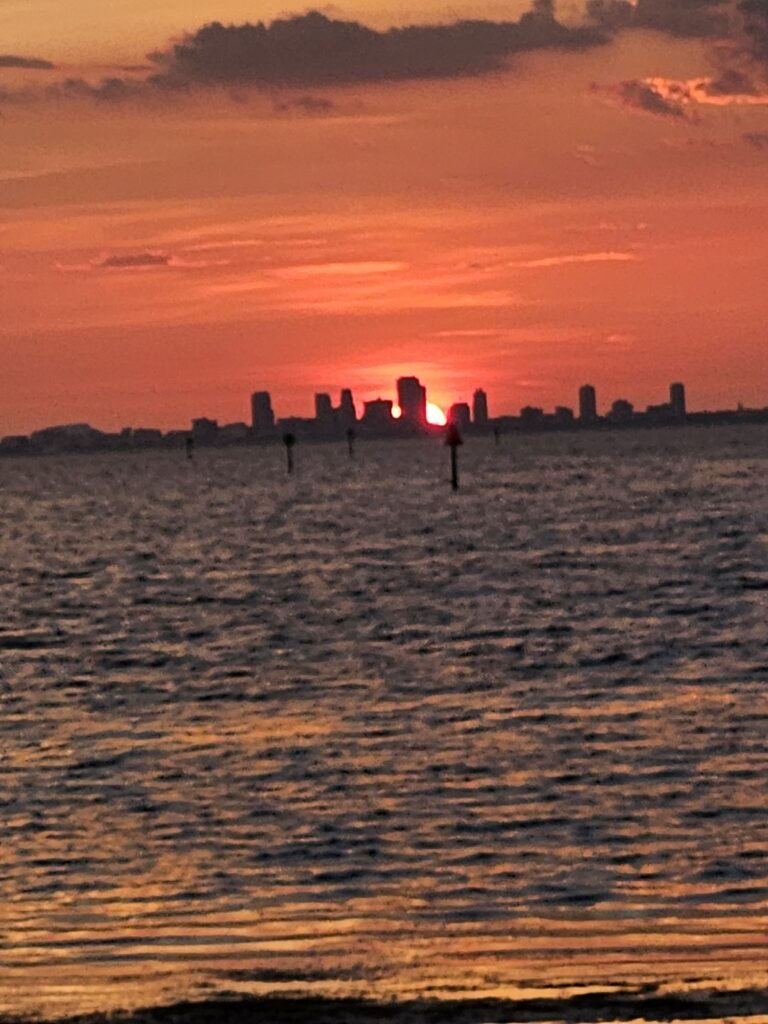
The community now supports more everyday services, recreation, and dining while remaining close to Tampa Bay. The county-operated SouthShore Sportsplex and Apollo Beach Park and Recreation Center add nearby options for sports and activities. For some buyers, however, the main appeal is still the water: private docks, canals, boating, sunsets, and the possibility of making Tampa Bay part of an ordinary weekend.
What should you answer before you buy?
1. Does the complete monthly cost feel comfortable?
Start with principal and interest, then add property taxes, homeowners insurance, flood insurance when applicable, HOA fees, CDD assessments, utilities, and a reserve for maintenance. A lower purchase price can be offset by higher insurance, an aging roof, a recurring CDD, or responsibility for a seawall.
Compare the same complete cost across every property. Our guides to Florida property taxes, CDDs versus HOAs, and flood insurance can help you build the checklist.
2. Does the neighborhood fit your actual lifestyle?
Apollo Beach neighborhoods aren’t interchangeable. One may have resort amenities, clubs, a social calendar, and golf-cart activity. Another may be quiet, independent, and free of an HOA or CDD. One may prioritize low-maintenance living; another may offer a larger yard and more individual responsibility.
Drive the neighborhood at the times you’ll use it. Test the commute, school or activity routes, grocery run, dinner trip, and route to the water. Price matters, but a less expensive house isn’t a bargain if it pulls you away from the lifestyle that made you choose Apollo Beach.
3. If boating matters, can the waterway support your boat?
A waterfront label doesn’t confirm usable boating access. Review low-tide depth, the boat’s loaded draft, canal width, turning radius, bridges, idle-speed zones, dock placement, lift capacity, and the time required to reach open water. Community rules may also limit vessel size or use of a shared lift.
Bring the specifications for the boat you own or plan to buy. Then use our guides to canal depth, boat restrictions, and Apollo Beach waterfront due diligence.
4. What do the flood, elevation, and insurance records show?
Flood risk can change from one parcel to the next. Don’t rely on a road, neighborhood reputation, or a neighbor’s recollection. Check the effective FEMA flood zone, county flood information, evacuation zone, elevation certificate when available, permit history, disclosed prior damage or claims, and a current property-specific insurance quote.
Flood zones and evacuation zones answer different questions. Hillsborough County provides separate tools for finding a flood zone and finding an evacuation zone. Review both.
5. Who’s responsible for the seawall, dock, and lift?
Ownership and maintenance responsibility vary. In some communities, shared infrastructure may be funded through a CDD or association. In other canal neighborhoods, the individual homeowner is responsible for the seawall behind the property.
Inspect the seawall, dock, and lift as seriously as the roof and major systems. Ask about age, permits, repairs, engineering, shared boundaries, and remaining useful life. A beautiful view can hide a large future obligation.
6. Are the HOA and CDD delivering value for you?
A CDD isn’t automatically good or bad. Review what it funds, how much debt remains, the current operating budget, and which responsibilities shift away from the individual owner. Then review the HOA rules, reserves, restrictions, and recent meeting information.
The right comparison is total cost plus actual value. A buyer who uses pools, fitness facilities, trails, security, recreation, or boating amenities may evaluate the same fee differently from someone who wants fewer rules and more independence.
7. Are you buying for several years or trying to time the market?
No one can guarantee the next interest-rate move or perfectly identify a market bottom in real time. A more durable decision considers how long you expect to own, whether the payment leaves room for savings and repairs, and whether the home will still serve you if work, family, or boating plans change.
When does buying now make sense?
- The complete monthly cost fits comfortably.
- You’ll retain emergency and maintenance reserves after closing.
- You’ve compared several neighborhoods and property types.
- The insurance and flood information are acceptable for the exact property.
- Water access works for the boat and lifestyle you actually want.
- You expect to own long enough for the transaction to make sense.
- The inspection, permits, title, HOA, CDD, seawall, dock, and lift information support the price.
When is waiting the smarter move?
- The payment would leave you stretched or without reserves.
- Your job, location, or household plans may change soon.
- You’re relying on an unverified development announcement or future resale assumption.
- You haven’t received property-specific insurance estimates.
- You’re compromising on the neighborhood or water access that brought you to Apollo Beach.
- You feel pressure to overlook condition, flood history, or recurring costs.
Frequently asked questions
Is Apollo Beach a buyer’s or seller’s market in 2026?
Realtor.com classified Apollo Beach as balanced in June 2026, meaning supply and demand were roughly in balance. Conditions vary by price range, neighborhood, property condition, elevation, and water access, so use current property-specific data when you’re ready to buy.
Is every Apollo Beach home in a flood zone?
No. Flood designations vary by parcel, and a property’s evacuation zone is a separate determination. Verify both with official tools and obtain a current insurance quote rather than relying on a general rule about one side of a road or one neighborhood.
Are CDD communities more expensive?
A CDD adds an assessment, but the useful comparison includes what that assessment funds and which infrastructure or amenities the owner would otherwise fund directly. Review the tax bill, bond schedule, operating budget, HOA costs, and total monthly carrying cost.
What’s the first step if I’m considering Apollo Beach?
Set a comfortable complete housing budget, identify the lifestyle and neighborhood features you won’t compromise on, and compare several representative properties. Waterfront buyers should also bring their boat specifications before touring seriously.
Make the decision with property-specific facts
Apollo Beach deserves serious consideration in 2026, but the right answer depends on the home, waterway, elevation, costs, and neighborhood. If you’re comparing properties, contact Shawna Calvert at 27 North Realty. We can evaluate the house and the lifestyle together before you make a decision.
This article is for general educational purposes and isn’t financial, tax, legal, engineering, insurance, or floodplain advice. Market data and property conditions change. Verify current information for the exact property and consult qualified professionals.