Every storm season I hear the same question once a storm starts heading our way: can I still get flood insurance? Usually the answer is yes, you can buy it, but it will not cover that storm. Here is why, and what to do while the skies are still clear. Have you looked at your own flood coverage this year?
How long does it take to get flood insurance in Florida?
A new policy through the National Flood Insurance Program typically has a 30 day waiting period before coverage takes effect, according to FloodSmart, the program’s official site. That means a policy bought when a storm is already in the forecast will not help with that storm. Private flood insurers set their own waiting periods, and many insurers stop writing new policies in an area once a storm is threatening.
What is the mandatory waiting period before flood coverage becomes active?
For the NFIP, it is generally 30 days. There are a few exceptions. Coverage can start right away when the policy is required as part of making, increasing, extending or renewing a mortgage loan. A one day wait can apply when a home is newly mapped into a high risk flood zone and the policy is bought within 13 months of that map change. Some renewals and policy transfers also avoid the wait. Your insurance agent can tell you which applies to you.
Can I buy flood insurance before a hurricane?
Yes, and the earlier the better. The best time is the start of the year or right after you close on a home, well before June 1. Keep in mind that standard homeowners policies do not cover flood from storm surge or rising water, so flood coverage is a separate policy.
Find your flood policy, check the effective date and coverage limits, and write the policy number on the storm card in my Apollo Beach Hurricane Prep Kit. If you do not have a policy, call your agent now so the 30 days are behind you before the next storm.
If you have questions about your home, your dock or your flood picture, call or text me at 509-294-6818 or email shawna@27northrealty.com. I am Shawna Calvert with 27North Realty, the #1 agent in Apollo Beach by total sales volume in Stellar MLS from January 2025 through August 2026.
This is general information, not insurance, legal or emergency management advice. Always follow official orders from Hillsborough County and the National Hurricane Center.
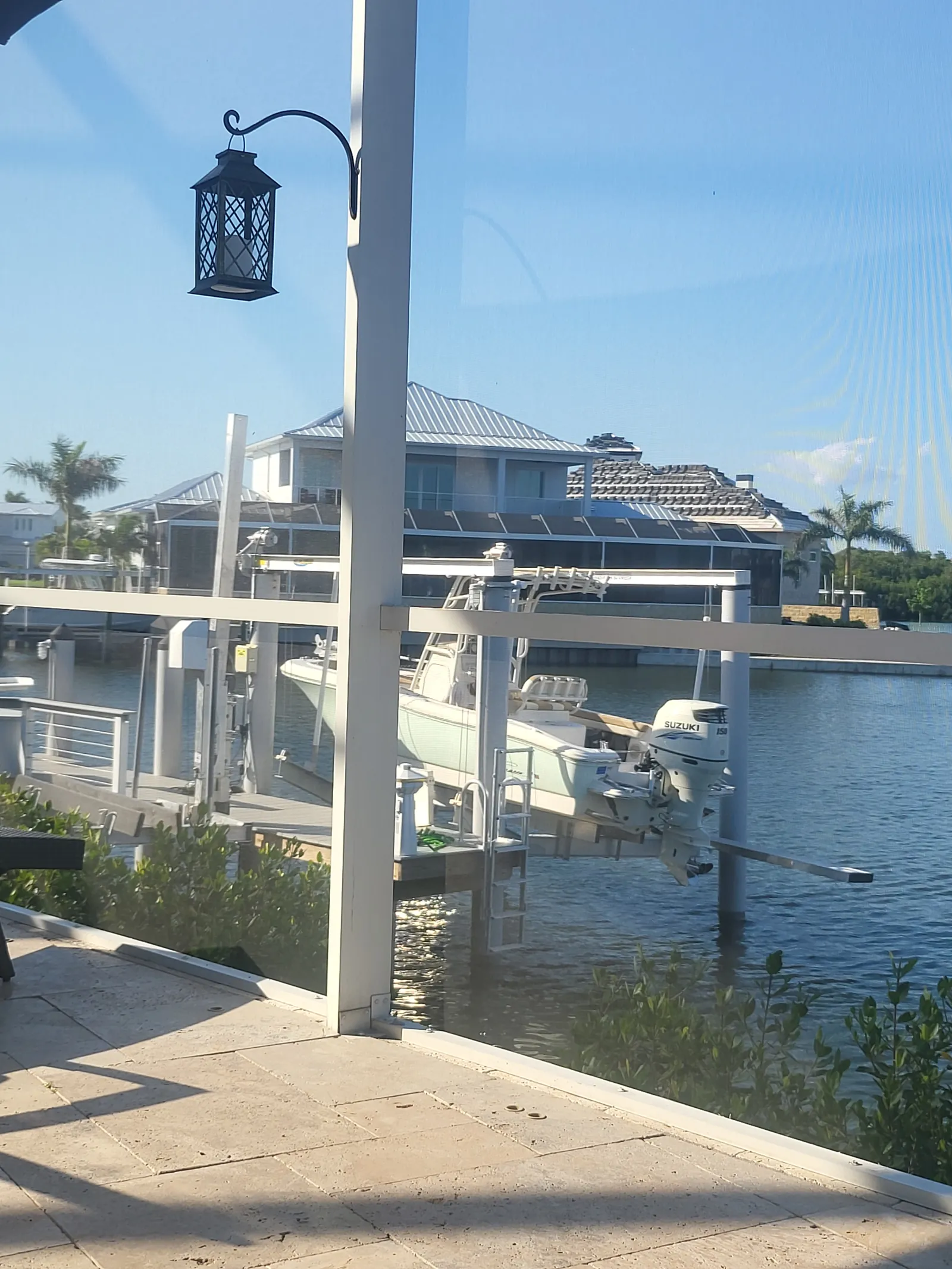
For a lot of us, the boat is the reason we chose Apollo Beach. So when a storm shows up in the forecast, the boat plan is usually the first thing on our minds. Is yours on a lift behind the house, or does it live at a local marina? Either way, the best time to make the plan is before the season gets busy.
How do you prepare your boat for a hurricane?
Start with the decision that has the longest lead time: will you haul out? Getting the boat out of the water and secured on land is usually the safest choice, but haul out and dry storage spots fill quickly once a storm is in the forecast cone. Call your marina or boatyard early in the season, ask about their hurricane plan, and get on their list. Ask your boat insurer whether your policy helps pay for a named storm haul out and what they expect you to do.
Should I leave my boat on the lift during a hurricane?
It is a common choice in our canal neighborhoods, but it carries real risk. Storm surge can raise the water high enough to float a boat off its cradle, and high wind can work a boat loose on the lift. If the boat has to stay, talk with your insurer and lift installer about how it should be secured on your specific lift, strip off canvas, biminis and anything that catches wind, and keep up with the lift’s maintenance before the season. If you can move it to land, that is usually the better option.
How do you secure a boat that stays in the water?
Double your dock lines and use longer lines that give the boat room to rise with surge, add chafe protection where lines cross cleats and pilings, and set extra fenders. Remove canvas, electronics, cushions and loose gear. Make sure batteries are charged and bilge pumps work. Take photos of the boat and the setup for insurance, and keep the hull ID and policy number on your storm card.
Bring in or tie down everything on the dock, including chairs, kayaks, grills and dock boxes. Turn off power to the lift and dock at the breaker. Note any loose boards, cracked pilings or seawall gaps before the season and get them repaired, because small problems get bigger in surge. After the storm, stay off the dock until you can see it is solid and the power is off.
What should you do after the storm?
Wait for the all clear, then photograph the boat, lift, dock and seawall before you touch anything. Call your insurer, make only the repairs needed to prevent more damage, and keep every receipt. My Apollo Beach Hurricane Prep Kit has a full before, during and after checklist, and the Waterfront Home Checklist covers docks, lifts and seawalls when you are buying or selling.
If you have questions about your home, your dock or your flood picture, call or text me at 509-294-6818 or email shawna@27northrealty.com. I am Shawna Calvert with 27North Realty, the #1 agent in Apollo Beach by total sales volume in Stellar MLS from January 2025 through August 2026.
This is general information, not insurance, legal or emergency management advice. Always follow official orders from Hillsborough County and the National Hurricane Center.
If you have lived in Apollo Beach for a while, you probably remember your evacuation zone the way you remember your zip code. This year it is worth looking again. In May 2026, Hillsborough County updated its hurricane evacuation zones, and some Apollo Beach neighborhoods landed in a different zone than they were in before. Do you know which zone your home is in today?
What changed in Hillsborough County evacuation zones?
The county redrew its zones using updated storm surge modeling from NOAA, announced in May 2026. Local coverage from FOX 13 named Apollo Beach among the areas where Zone A expanded, and inland parts of Apollo Beach south of Big Bend Road were added to Zone E. The update came from new surge data, not from damage in any single storm, and the county has not published a count of how many homes changed zones. The only way to know about your home is to look up your address.
How do you know what evacuation zone you are in?
Go to HCFL.gov/HEAT, the Hurricane Evacuation Assessment Tool, and type in your address. It shows your zone and the nearest shelters. While you are there, sign up for county alerts at HCFL.gov/Alert so evacuation orders come straight to your phone. Then write your zone on the storm card in my free Hurricane Prep Kit so everyone in your house knows it.
What is the difference between an evacuation zone and a flood zone?
They answer two different questions. Your evacuation zone tells you when the county may ask you to leave because of storm surge. Your FEMA flood zone is used for flood insurance and building rules. A home can be in Zone A for evacuation and still have a moderate risk flood zone, or the other way around. My page Is Apollo Beach in a Flood Zone? explains how to read your flood map.
Where are hurricane shelters near Apollo Beach?
Shelters open only when the county announces them, and the list changes with each storm. During Hurricane Milton in October 2024, Shields Middle School in Ruskin opened as a pet friendly shelter, along with others around the county. Check county alerts for which shelters are open before you head out, and plan for a friend or family member’s home outside the surge zone as your first choice.
Does a zone change affect buying or selling a home?
It is one more thing buyers ask about, especially folks relocating from out of state. A zone change does not change the house, but it may change your plan for storm season. When I work with buyers, we look up the evacuation zone and the flood zone together so there are no surprises. For the full checklist, see my Apollo Beach Hurricane Prep Kit and the 2026 Hurricane Preparedness Guide.
If you have questions about your home, your dock or your flood picture, call or text me at 509-294-6818 or email shawna@27northrealty.com. I am Shawna Calvert with 27North Realty, the #1 agent in Apollo Beach by total sales volume in Stellar MLS from January 2025 through August 2026.
This is general information, not insurance, legal or emergency management advice. Always follow official orders from Hillsborough County and the National Hurricane Center.
When a buyer asks me whether a home in Apollo Beach can handle a hurricane, I like to answer with real numbers instead of headlines. Hurricane Milton gave us the clearest test our area has had in decades, and the National Weather Service office in Ruskin, just down the road from Apollo Beach, recorded exactly what the wind did. The numbers are a lot more reassuring than most people expect.
How strong were Hurricane Milton’s winds in Tampa Bay?
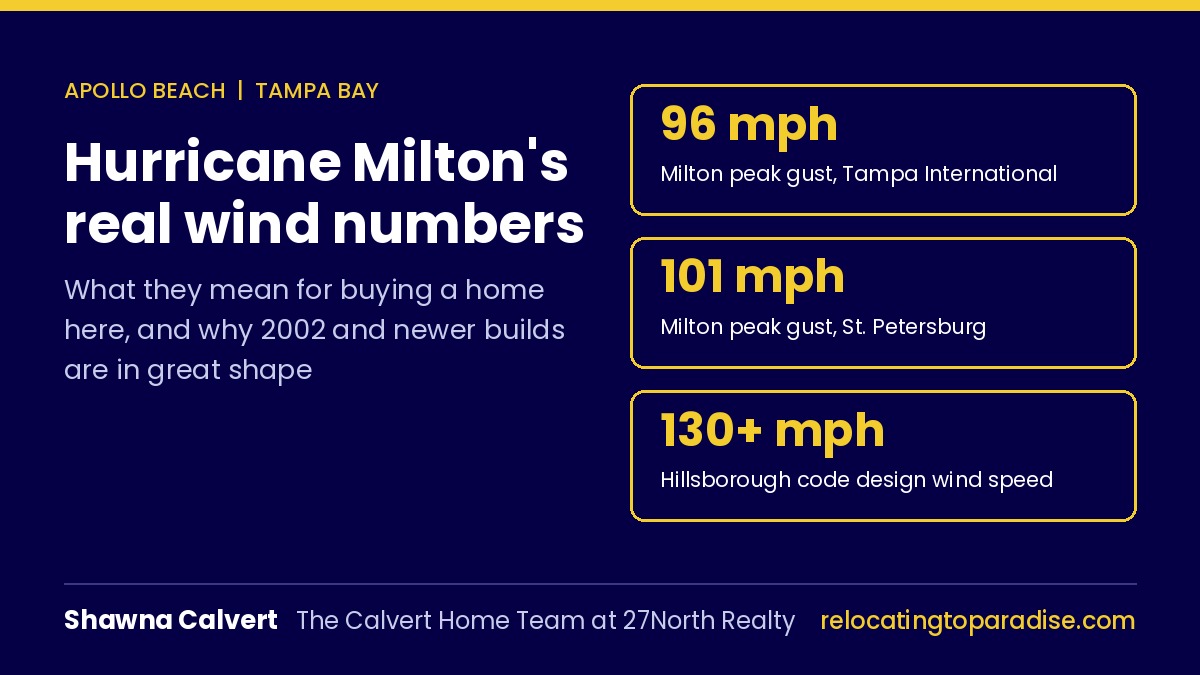
Milton made landfall at Siesta Key on October 9, 2024 as a Category 3 storm, south of us, which put Tampa Bay on the stronger side of the storm. Even so, the highest sustained wind at Tampa International Airport was 61 mph, with a peak gust of about 96 mph. At Albert Whitted Airport in St. Pete, the sustained wind reached 67 mph with a peak gust of about 101 mph. Down at Sarasota-Bradenton International, closer to landfall, the peak gust was about 102 mph.
Here is the part that surprises people. Hurricane force starts at 74 mph of sustained wind, and none of those land stations reached it. What most homes in our area actually felt were strong gusts in the 80 to 100 mph range for a few hours.
What about Helene and Idalia?
Both of those storms passed offshore to our west. During Helene in September 2024, Tampa International saw a peak gust of about 67 mph and Albert Whitted about 82 mph. During Idalia in August 2023, the Egmont Channel station at the mouth of Tampa Bay peaked at about 62 mph. Helene’s real story here was storm surge, not wind, which is why I always talk about elevation and flood zones alongside windows and roofs.
What wind are homes in Apollo Beach built to handle?
Homes in Hillsborough County are designed for wind speeds of 130 mph and up under the Florida Building Code, and that design speed is measured as a 3-second gust. That is the apples to apples comparison with the peak gusts above. Milton’s strongest gusts at our airports, about 96 to 101 mph, landed well below what a home built to today’s code is designed for. That is a lot of cushion.
Why do homes built after 2002 matter so much?
Florida’s first statewide building code took effect on March 1, 2002. From that day on, every coastal home built here had to come with protected openings, meaning impact rated windows and doors or approved hurricane shutters. The large-missile impact test those products had to pass, a 9-pound 2×4 fired at the glass, has not changed since. So a home built in 2005 or 2010 is not “behind” just because its windows look slimmer than the newest ones. Its openings were impact rated for their date, and that is real protection.
How often does a major hurricane hit Tampa Bay directly?
Rarely. The last direct hurricane landfall in Tampa Bay was in October 1921, more than a hundred years ago. Our geography helps us, because a storm has to come in from a very particular direction to strike the bay head on. That does not mean we skip preparation. It means that when you choose a well built home and have a good plan, living here is very manageable.
What should a buyer actually check?
Start with the year the home was permitted. Then ask for the current wind mitigation report, which shows the roof attachments, roof shape and opening protection, and can lower your insurance premium. Look for the etched marks on impact glass or the shutters and panels that came with the house, and keep any product approval paperwork in one place. Finally, check the elevation and flood zone, because in our area water usually matters more than wind. My Apollo Beach flood zone guide walks through that part.
If you are looking at a home and want help reading its wind mitigation report or figuring out what protection it already has, send me the address. I would also love to hear how you picture life here. Are you dreaming of mornings on the dock, or a lock and leave home you can close up easily when you travel? That answer shapes which home and which protection fits you best.
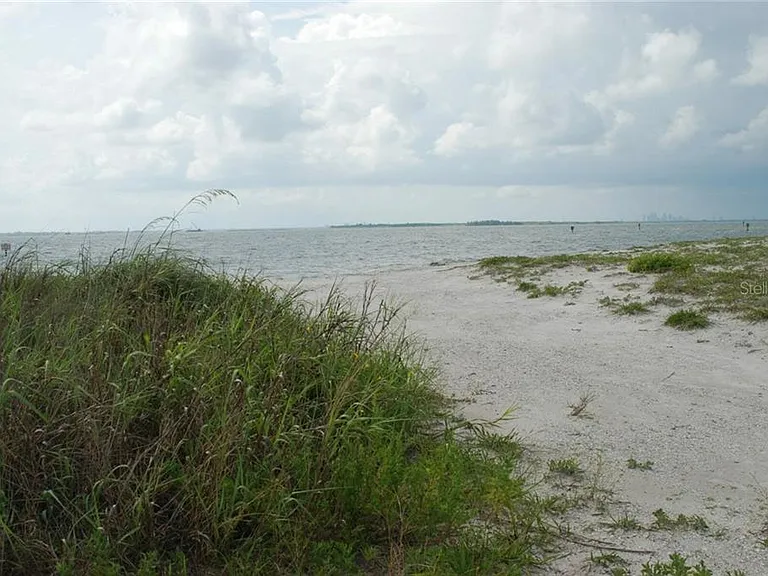
The shoreline at the Apollo Beach Nature Preserve.
Yes, there is, and it’s beautiful. It’s one of the first things people ask me when they’re thinking about moving here, usually right after “Can you swim there?” The honest answer is that you can’t swim at our beach. You can walk it, bring your dog, hunt for shells and watch some of the best sunsets on Tampa Bay. Here’s what our beach is really like, where locals get in the water instead, and the world-famous beaches that are an easy day trip away.
What is the beach in Apollo Beach like?
Our beach is part of the Apollo Beach Nature Preserve at the end of Surfside Boulevard. It’s a 63-acre county preserve with a stretch of soft, white sand right on Tampa Bay. It’s the kind of place you go for a long walk at the end of the day, with your shoes in your hand.
You can walk the shoreline, go shelling, fish, picnic under the pavilion and bring your dog. Dogs are welcome on the beach, which surprises a lot of people. Behind the beach, walking trails wind through restored wetlands, and it’s a great spot for birding.
The best part is the view. From the preserve’s 37-foot observation tower you can see the Tampa skyline, St. Petersburg across the bay, and the Sunshine Skyway Bridge stretching out to the south. The tower has a ramp instead of stairs, so almost anyone can get to the top. The preserve is open every day from 8 a.m. until sunset.
Why can’t you swim at the Apollo Beach Nature Preserve?
The water looks calm, and that’s what makes it dangerous. Just offshore the bottom drops off suddenly, and there are strong currents under the surface that you can’t see from the sand. The county posts the beach as no swimming and no wading, and it means it.
Tragically, we learned this the hard way. In June 2021, three lives were lost here: a father, his young son, and a man who went into the water to try to save them. The county added more warning signs afterward. So please enjoy the sand, the sunset and the shelling, and stay out of the water.
What else is near the beach?
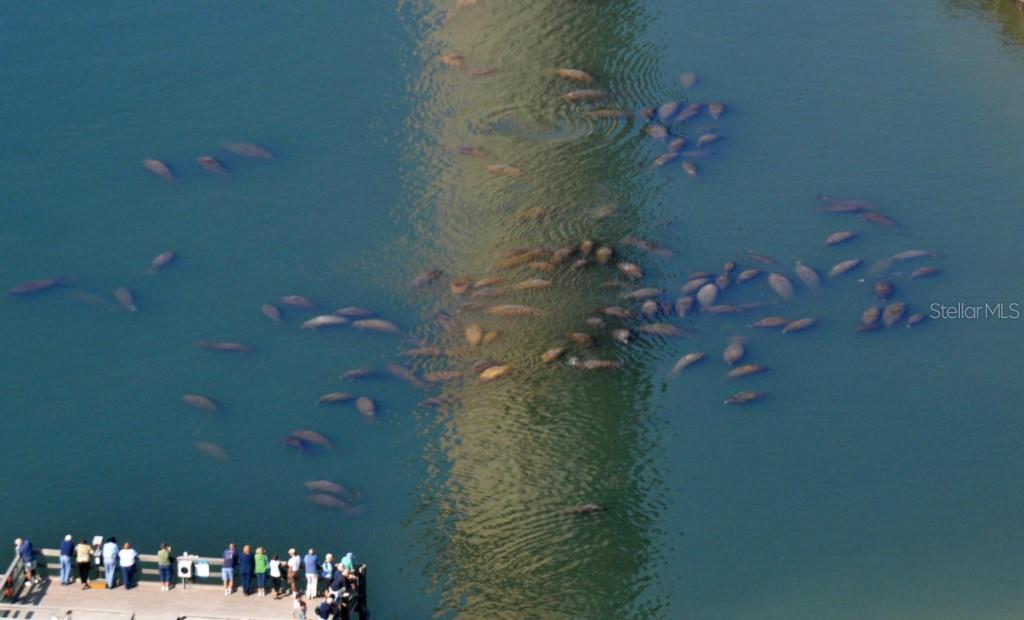
Manatees gathered at the Manatee Viewing Center in Apollo Beach.
Just down the road is the TECO Manatee Viewing Center, and if you’re new to the area it’s a must. In the cooler months, hundreds of manatees gather in the warm water coming off the power plant. You watch them from a long boardwalk, and on a cold morning the water can be packed with them.
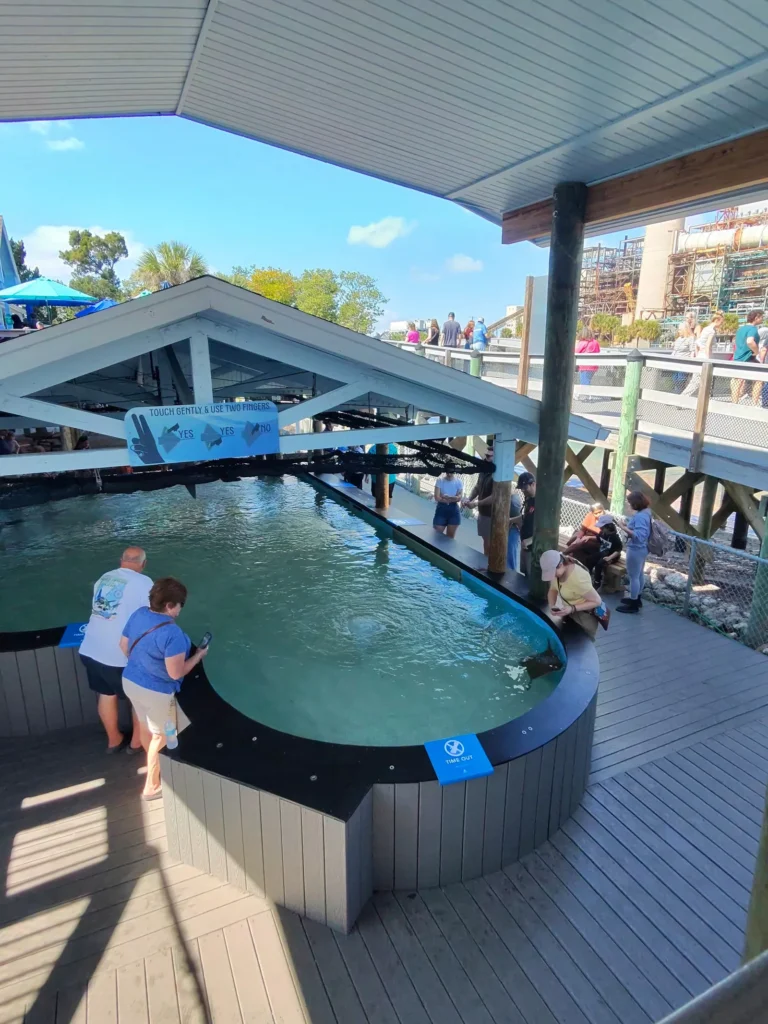
The Manatee Viewing Center is open daily from November 1 through April 15, from 10 a.m. to 5 p.m. Parking and admission are free. It has its own 50-foot observation tower along a coastal trail, so between the preserve and the Manatee Viewing Center we have two viewing towers looking out over the bay. There’s also a stingray touch tank the kids love, and a little café.
Where can you swim near Apollo Beach?
We have options close to home.
E.G. Simmons Conservation Park in Ruskin has about 700 feet of beach on Tampa Bay with a designated swimming area. It also has picnic shelters, a playground, a boat ramp, kayaking and camping, and entry is $2 per car. The county sometimes closes the beach to swimming when water testing shows high bacteria, so check the county’s beach advisories before you pack the car.
Little Harbor in Ruskin has a beach right on the bay by the Sunset Grill, with a long dock for watching the sun go down over St. Pete and live music at night. It’s one of my favorite spots. Just know the beach lots there are paid parking now, with free parking for restaurant guests.
The beach and Sunset Grill at Little Harbor in Ruskin.
And here’s something that makes one of our neighborhoods truly special. Symphony Isles is the only community in Apollo Beach with its own private beach you can swim in. It’s for residents, right on Tampa Bay, and it’s a really neat perk. If a swimmable beach right outside your front door is on your wish list, that’s the community I’d show you first.
How far is Apollo Beach from the Gulf beaches?
This is one of my favorite things to tell people. You live on the quiet side of the bay, and some of the most famous beaches in the country are a short drive away when you want to make a whole day of it.
Fort De Soto Park, about 45 minutes away across the Skyway, has wide, natural beaches, calm water on the bay side and a historic fort to explore. It’s often named one of the best beaches in America.
St. Pete Beach, about 45 minutes away, has the big, lively Gulf beach, with beach bars, restaurants and hotels.
Anna Maria Island, about 50 minutes south, feels like old Florida: small cottages, a trolley, a pier and a slower pace.
Siesta Key, about an hour south, is famous for its powdery white sand. It’s so fine it stays cool under your feet even in summer.
Caspersen Beach in Venice, a little over an hour south, is where you go to hunt for shark teeth. Venice calls itself the Shark Tooth Capital of the World. Fossilized teeth wash up along the shoreline, and every once in a while someone finds a piece of a megalodon tooth. Bring a sifter (locals call it a Florida snow shovel) and plan to lose track of time. It’s a wonderful day with the grandkids.
So is Apollo Beach a beach town?
It is, just not the way people picture it. We’re a boating town first, with canals, docks and the whole bay right out the back door. Our own beach is for walks, dogs, shells and sunsets, and the swimming beaches are close by. If you’re still getting to know the area, my Apollo Beach guide and neighborhood guide are good places to start.
I’d love to know how you picture your days here. Are you the early-morning beach walk with the dog type, or do you see yourself packing up the boat and heading out to a sandbar for the whole afternoon? Tell me, and I’ll show you the neighborhoods that fit.
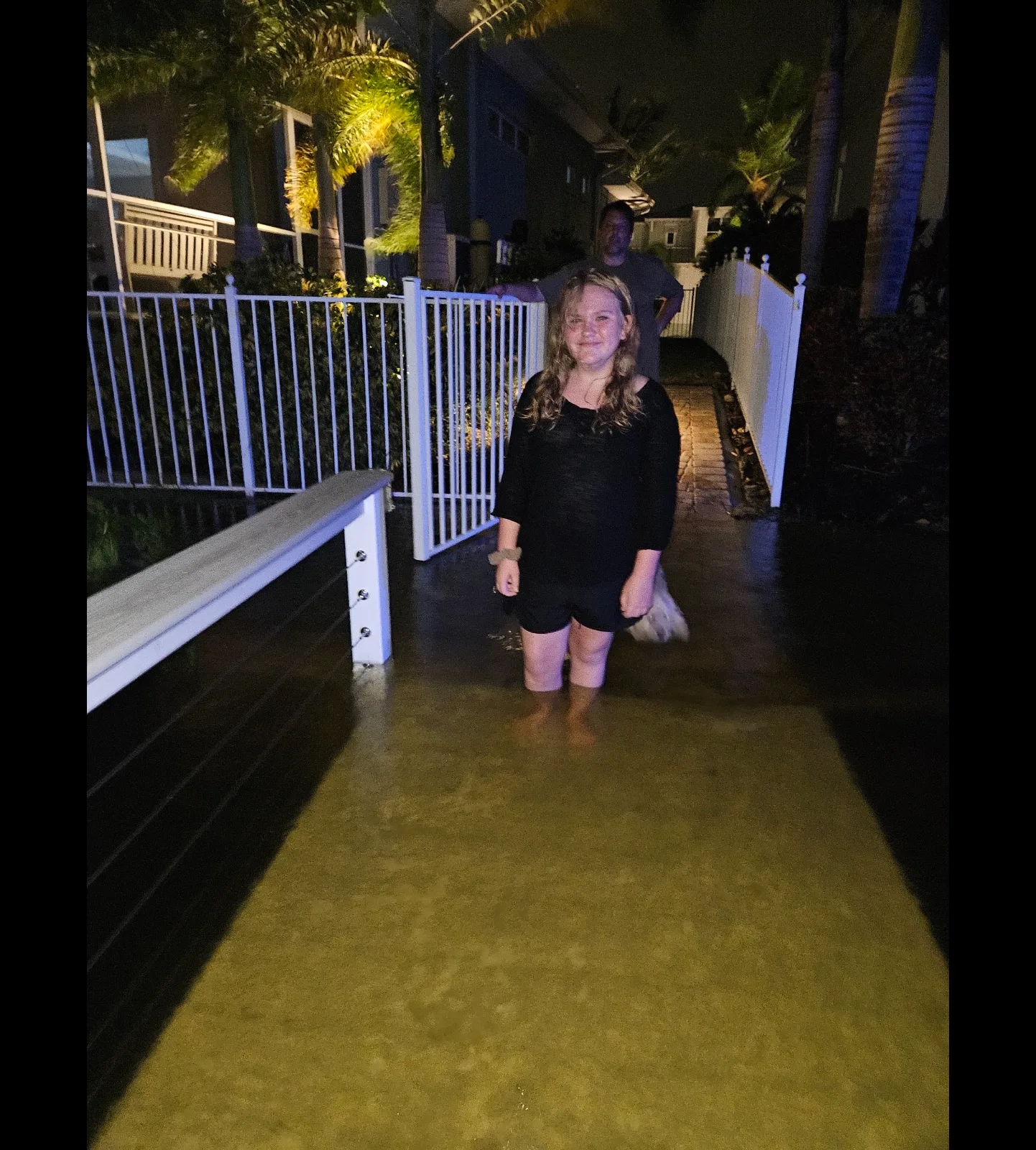
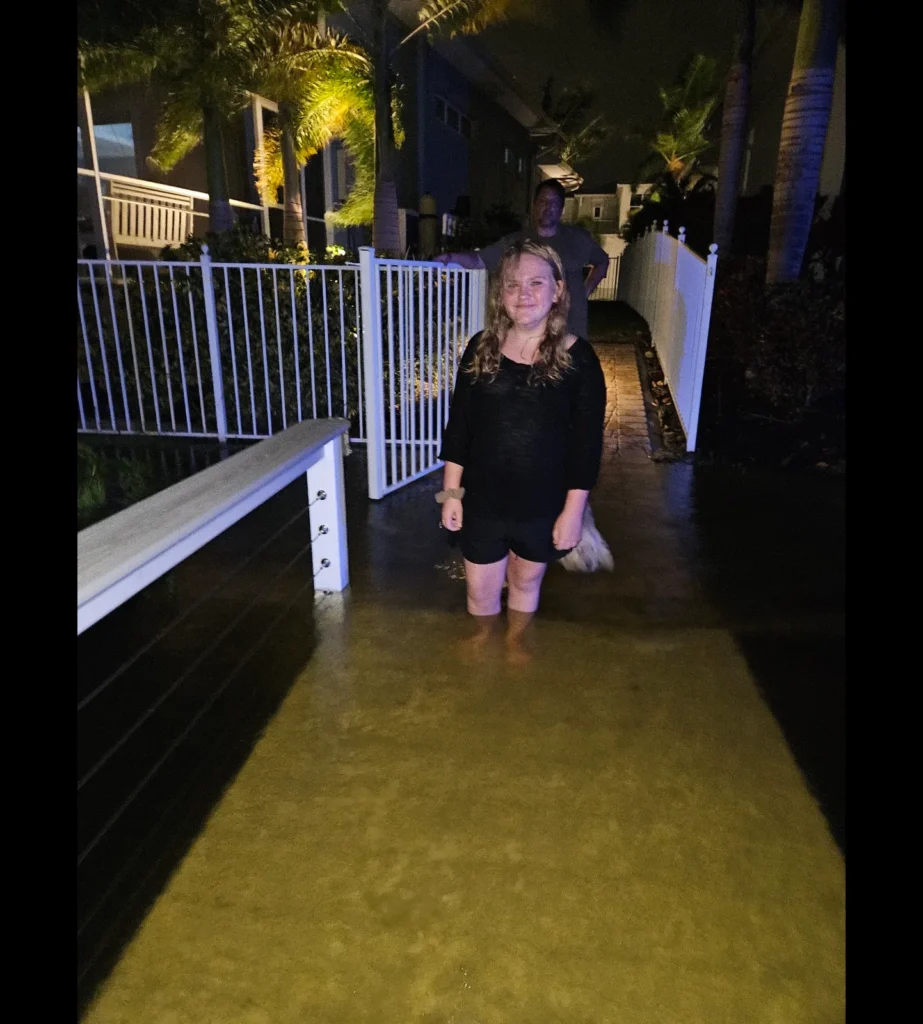
The night Helene came through, the surge came right up over our dock. That is Sophia standing in it. And the question I get more than any other from buyers moving here is the one that picture raises: “Is Apollo Beach in a flood zone?”
It is a fair question, and I love answering it, because the honest answer is more helpful than people expect.
Is Apollo Beach in a flood zone?
Parts of it are. Here is the rule I give everyone. Stand on US Highway 41 and look west, toward the water. That side is in a flood zone, so plan on flood insurance. Look east, and you are generally out of one. A couple of streets and a few communities east of 41 are still mapped Zone AE, and most of the rest is Zone X. That one rule tells you most of what you need to know.
What did Helene actually do here?
Older waterfront homes surrounded by storm surge.
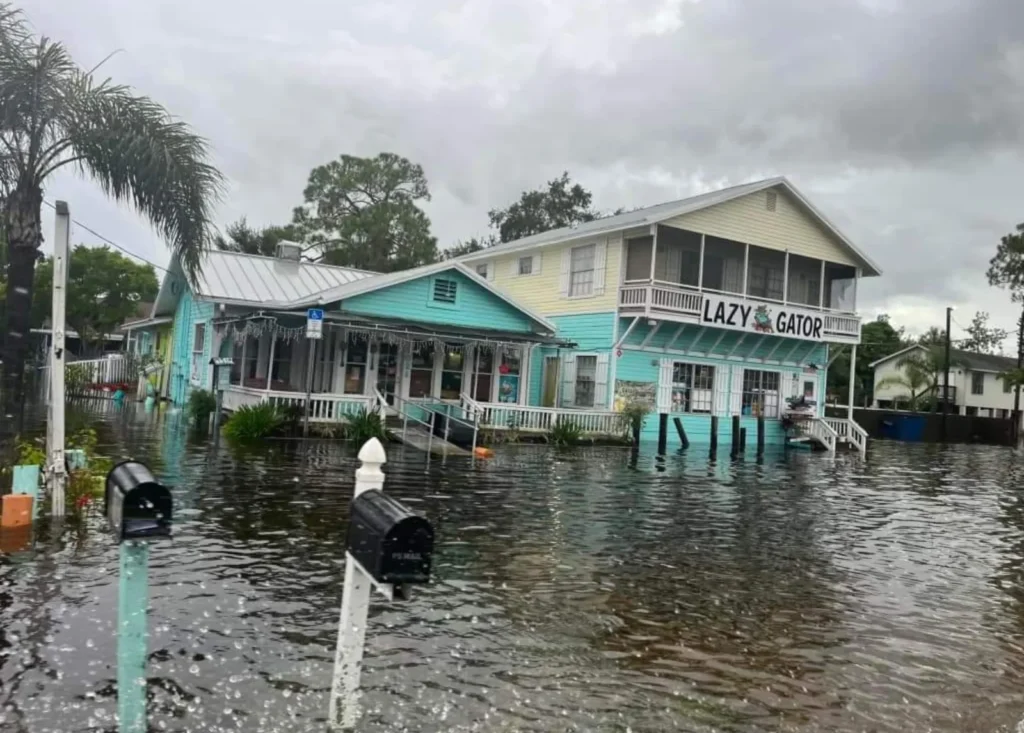
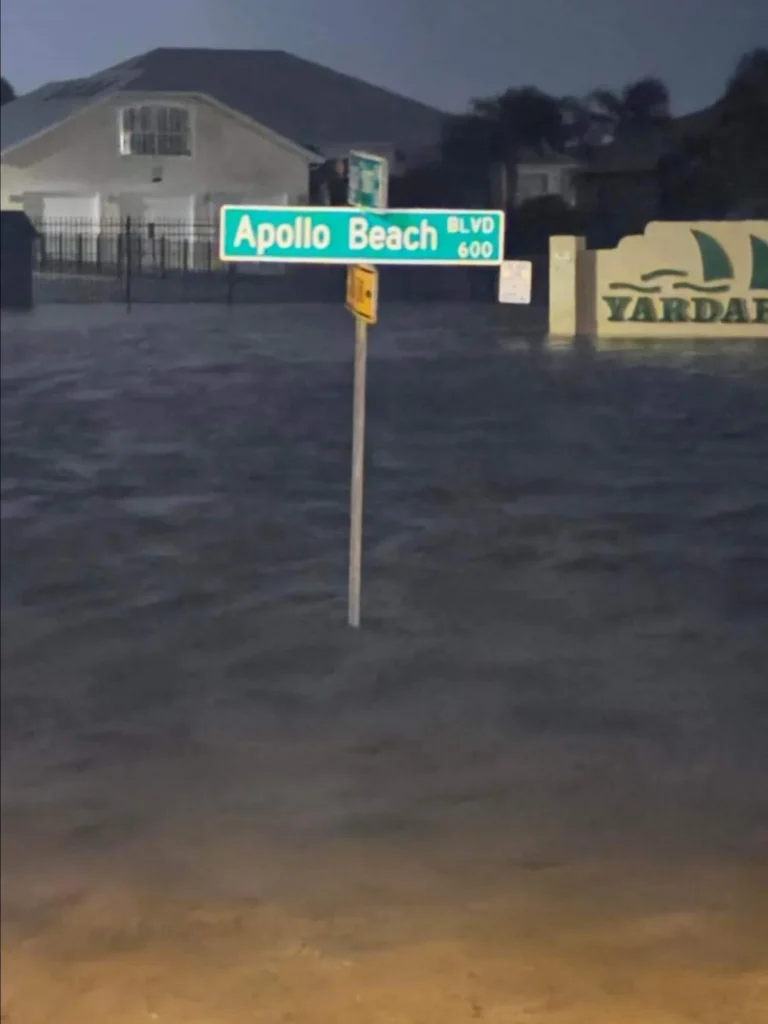
Helene’s surge came in at 4 to 6 feet at most, and really closer to 4. It was devastating for the older, lower parts of Apollo Beach. Streets like Apollo Beach Blvd sat under water, and afterward the curbs in those neighborhoods filled up with drywall and flooring.
Apollo Beach Blvd under water.
The communities built after 2000 were a different story. They sit at about 10 feet, and they were not impacted. You barely feel the hill when you drive between the two, but it is about six feet, and it made all the difference.
Why does elevation matter so much?
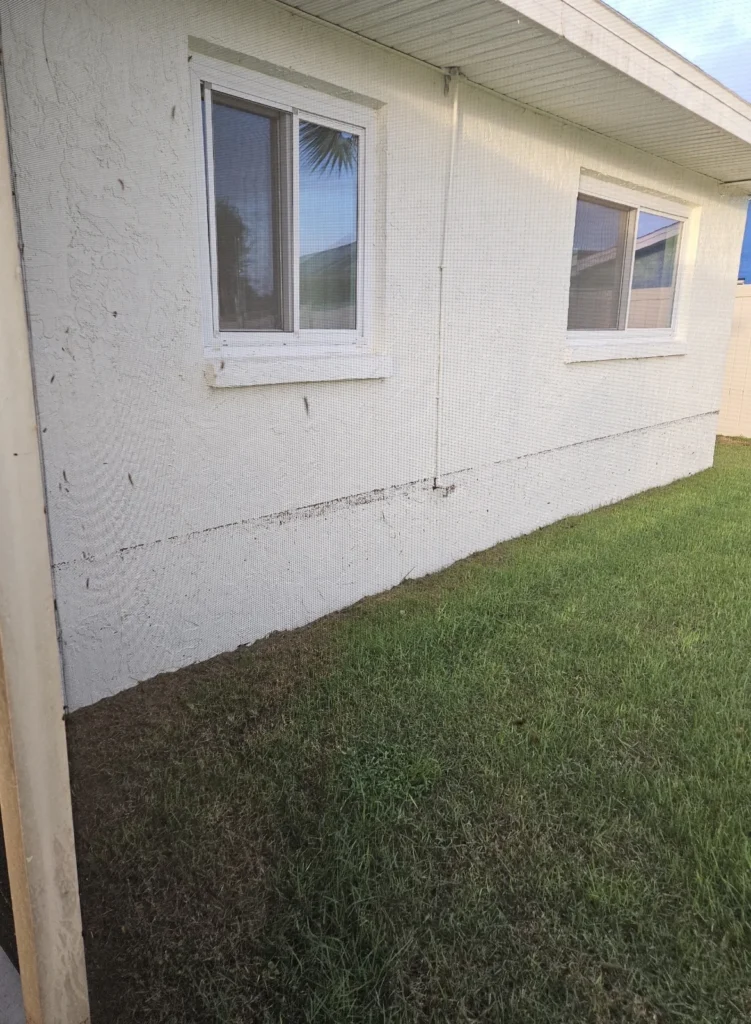
A flood water line on an older, lower home.
The original Apollo Beach was built where it landed, at roughly 1, 2 and 4 to 6 feet above sea level. The communities built from about 2000 on were raised to about 10 feet. That one difference is why two homes a few streets apart can both be in a flood zone and still be completely different to own and to insure. Since the 2002 Florida Building Code, new coastal homes need impact rated windows and doors or approved shutters, and either one helps your premium too.
So being in a flood zone is usually not the deal breaker people fear. What you want to know is how high the house sits, when it was built, and what the elevation certificate says.
What should you check before you make an offer?
Is flood insurance required by your lender, and what does the seller pay now?
Is there an elevation certificate? It is often the single most useful document for pricing flood insurance.
Has the home had any flood claims or storm damage?
Does it have impact windows and doors, or shutters?
Which evacuation zone is it in, and what is your route out to 41? Hillsborough County updated the zones for 2026, so check even if you looked last year.
Get the free Apollo Beach Flood Zone Guide
I put everything I tell buyers into one free guide: the US 41 rule, how elevation and the year a home was built affect your insurance, what Helene did here, my hurricane prep checklist and the new 2026 Hillsborough County evacuation zone map.
And if there is an address you are curious about, send it to me. I will pull the flood zone, the elevation and the insurance picture for you. I would love to hear what you are picturing, too. Is it a boat in the backyard, or a pool on a quieter street a little closer to 41?
Nobody who’s lived through a Florida hurricane season panics about it. We just get ready, and then we go about our lives.
That’s the difference between newcomers and folks who’ve been here a while. If you’re new to Apollo Beach or Southshore, here’s what actually matters — and what you can stop worrying about.
Want it all in one place? Grab my free, printable Apollo Beach Hurricane Prep Kit, with a supply checklist, a storm card for your family, local numbers and a boat and dock plan.
Quick Answer: What Should Apollo Beach Homeowners Do First?
Check your 2026 Hillsborough County evacuation zone.
Know the difference between an evacuation zone and a FEMA flood zone.
Build or refresh a household emergency kit.
Review homeowners, wind, flood, boat, and other applicable insurance.
Inspect shutters or impact protection and practice installing removable panels.
Create plans for family members, pets, vehicles, medications, and communication.
Prepare waterfront improvements and secure or relocate a boat early.
Follow official Hillsborough County and National Hurricane Center information.
A squall building over the bay. Most of what you need to do happens well before one of these has a name.
When Is the 2026 Atlantic Hurricane Season?
The Atlantic hurricane season runs from June 1 through November 30. NOAA identifies September 10 as the climatological peak, with most Atlantic activity occurring from mid-August through mid-October.
NOAA’s August 6, 2026 update maintained a 75 percent chance of a below-normal Atlantic season, a 20 percent chance of a near-normal season, and a 5 percent chance of an above-normal season. A seasonal outlook doesn’t predict whether a particular community will be affected. One storm can create serious local impacts during an otherwise quiet season.
What is the difference between an evacuation zone and a flood zone?
This distinction matters in Apollo Beach, Ruskin, and other coastal areas.
Evacuation zones help emergency officials identify areas that may need to leave because of storm-surge risk. Hillsborough County uses zones A through E, and some properties are outside a designated evacuation zone.
Flood zones describe mapped flood risk used for insurance and building requirements. Every property is in a flood zone, but the level and type of risk vary.
A home can be in a lower-risk FEMA flood zone and still be in an early evacuation zone because storm surge and general flood mapping serve different purposes. Check both designations by address and recheck the evacuation map each year. Hillsborough County expanded some evacuation zones for 2026.
How do you make a household evacuation plan?
Decide where you’ll go, how you’ll travel, what you’ll take, and how every person will communicate if mobile service is limited. Hillsborough County advises residents to consider evacuating tens of miles rather than hundreds when a safe option is available, which can reduce travel time and traffic.
Your plan should include:
A friend, relative, hotel, or other safe location outside the called evacuation zone
A backup destination if the first choice becomes unavailable
Transportation and fuel planning
Medication, mobility, medical equipment, and special-needs planning
Pet-friendly lodging or shelter options, carriers, records, food, and medications
A family communication plan and an out-of-area contact
Paper copies of essential phone numbers and addresses
Multiple safe routes and an understanding of local bridge or road conditions
County shelters open only when announced and vary by event. They’re a last-resort safety option, not a hotel. Check official status before traveling to any shelter.
What belongs in a Florida hurricane kit?
Ready.gov recommends water, food, and other basic supplies for several days. Household needs vary, and local planning guides may recommend preparing for a longer period. Build the kit for the people and pets in your home rather than relying on a generic shopping list.
Water for drinking and sanitation
Nonperishable food and a manual can opener
Prescription medications and basic first aid
Flashlights, batteries, and a battery-powered or hand-crank radio
Portable phone chargers and charging cables
Cash in small bills
Hygiene, sanitation, masks, and cleanup supplies
Pet food, water, medications, crates, leashes, and vaccination records
Copies of insurance, identification, medical, ownership, and financial records
Weather-appropriate clothing, sturdy shoes, bedding, and comfort items
Tools needed to shut off utilities if officials direct you to do so
Keep original documents protected and maintain secure digital copies. Review expiration dates and household needs at least once a year.
How do you prepare the house before a storm?
Identify every opening that requires a shutter or panel.
Label panels and confirm all hardware and tools are available.
Trim vegetation responsibly and remove dead limbs before storm conditions.
Clean gutters and drainage paths.
Secure patio furniture, grills, umbrellas, planters, toys, and decorations.
Photograph every room, exterior elevation, major system, and valuable item.
Back up important computer files.
Test smoke and carbon-monoxide alarms.
Review pool, irrigation, and outdoor-equipment procedures with qualified professionals.
Know how to shut off water, electricity, and gas if officials or utility providers direct it.
Don’t make last-minute structural changes or climb on a roof as dangerous weather approaches. Use qualified professionals and complete work well before a storm.
How do you use a generator safely?
Generators can cause fatal carbon-monoxide poisoning when operated inside a house, garage, carport, or other enclosed or partially enclosed space. Follow the manufacturer’s instructions, keep the generator outdoors and away from doors, windows, and vents, and use appropriate equipment installed or reviewed by qualified professionals.
Never connect a portable generator to household wiring in a way that can backfeed the utility system. Plan fuel storage and operation safely, and test equipment before hurricane season.
What should waterfront owners do with the boat and dock?
Waterfront properties require more than standard household preparation. Begin early because marine vendors, haul-out capacity, and storage options can become limited.
Review the boat’s written hurricane plan and insurance requirements.
Decide whether to relocate, haul, store, or secure the boat according to professional guidance.
Inspect the dock, boat lift, pilings, electrical service, and visible fasteners.
Remove dock furniture, hoses, fishing gear, decorations, and loose equipment.
Photograph the seawall, cap, dock, lift, boat, motors, and marine accessories.
Protect ownership, registration, service, and insurance records.
Move vehicles and golf carts if flooding or surge is possible.
Never remain on a vessel during a hurricane or evacuation order.
Don’t assume every canal, elevation, seawall, or boat-lift installation faces the same risk. Property-specific marine and insurance advice matters.
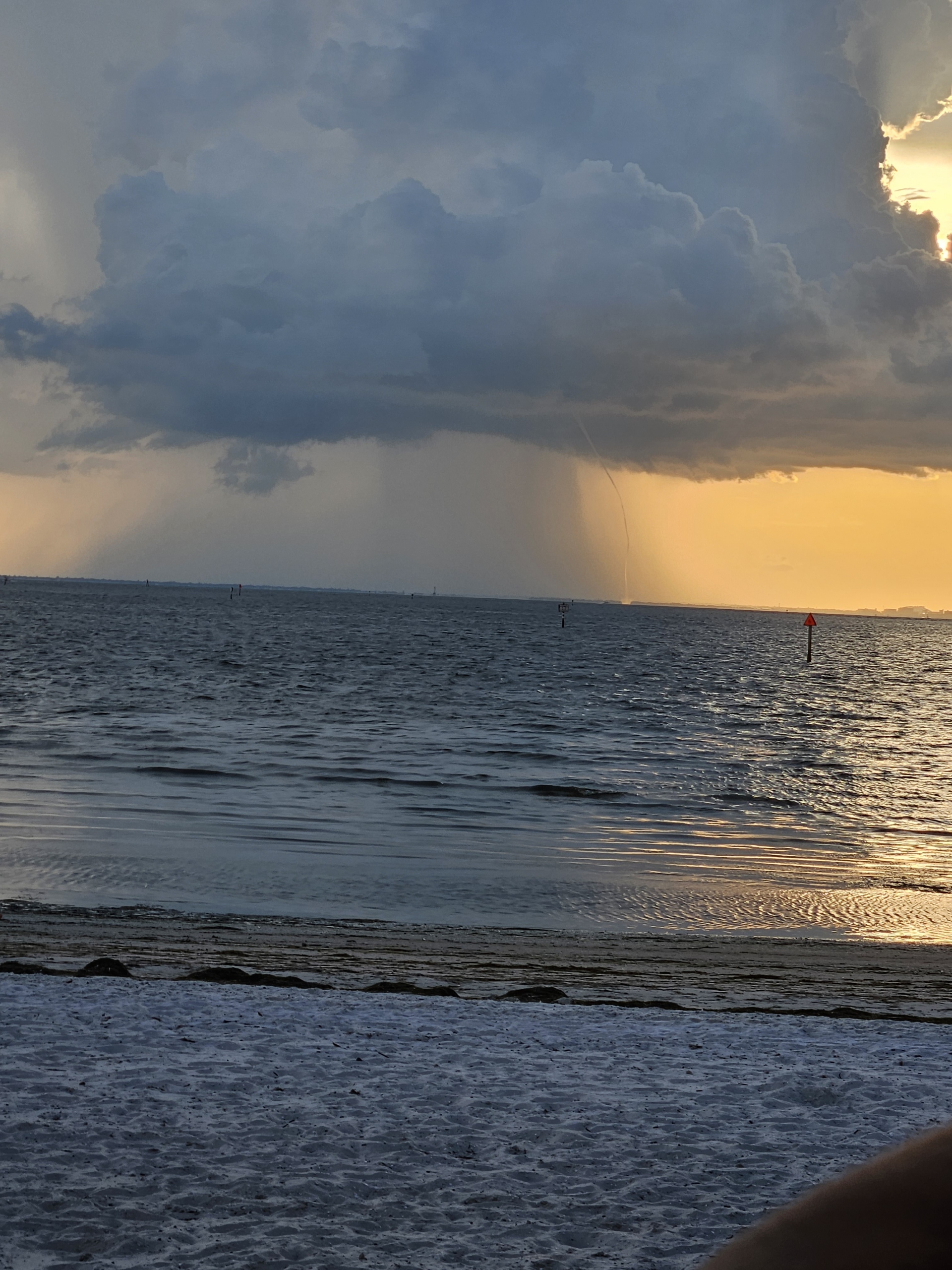
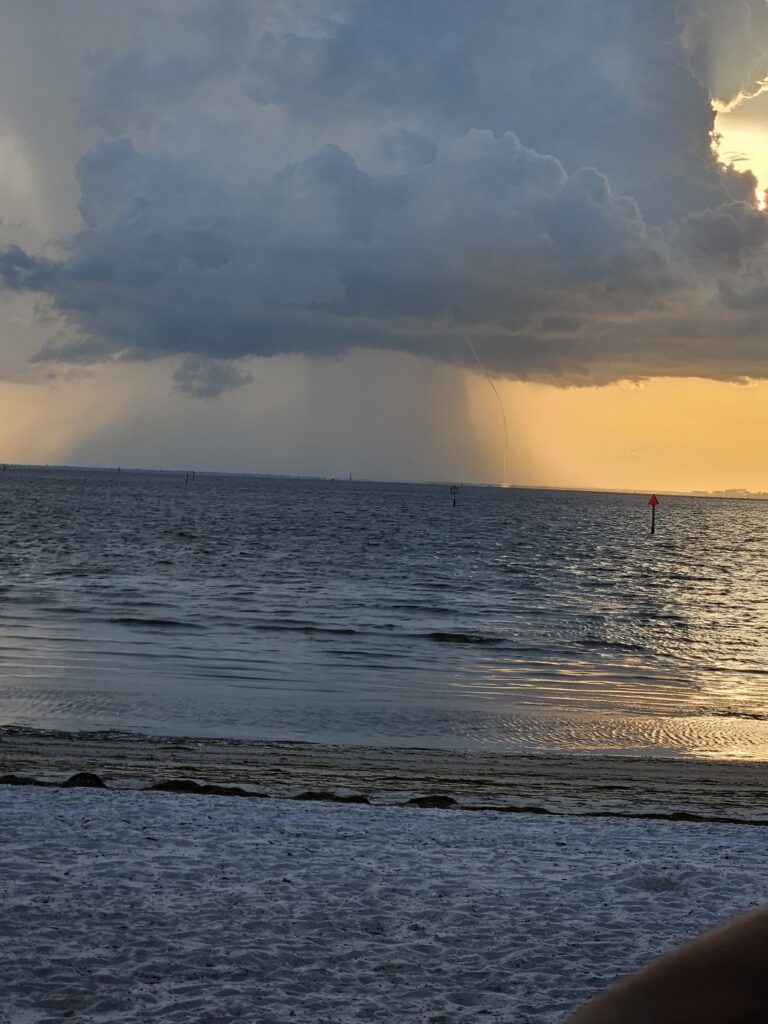
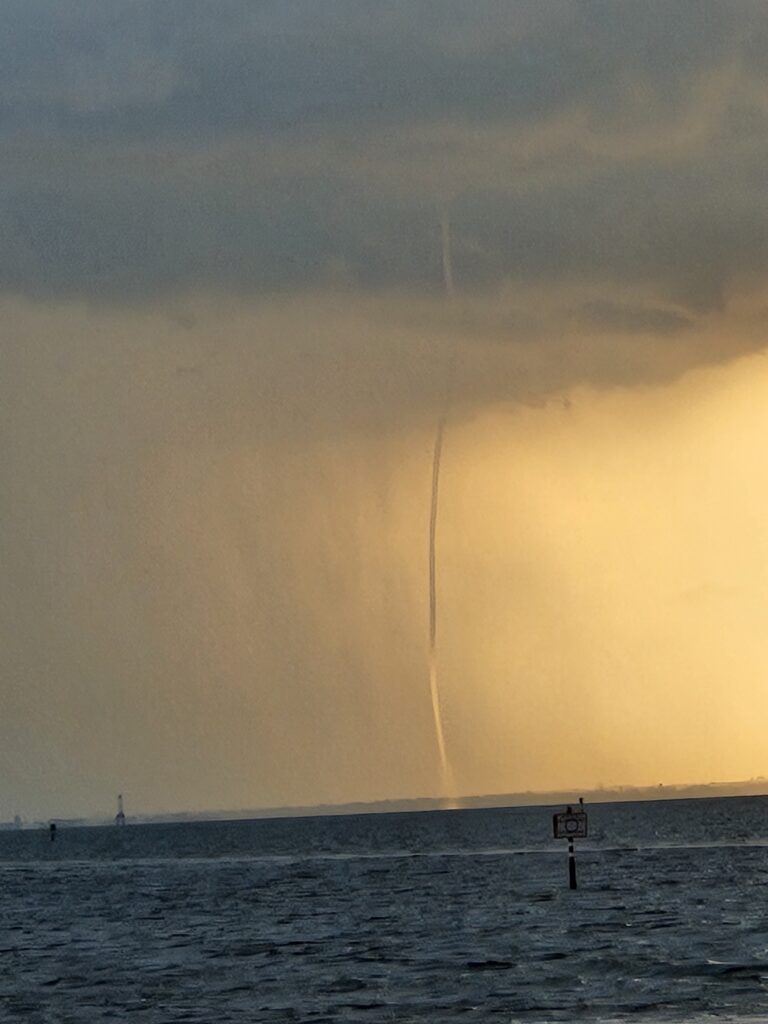
A waterspout off Bahia Beach. Summer storms here are routine — hurricane season is the one you plan for.
Why review insurance before a storm is named?
A standard homeowners policy typically doesn’t cover flood damage. Wind, named-storm, hurricane, flood, boat, and umbrella coverages can involve different policies, deductibles, exclusions, waiting periods, and claim procedures.
Ask your licensed insurance professional to review:
Dwelling and replacement-cost limits
Wind or hurricane deductibles
Flood insurance and contents coverage
Coverage for docks, seawalls, lifts, pools, screened enclosures, landscaping, and detached structures
Temporary living expenses
Boat and marine-property coverage
Required photographs, inventories, receipts, and claim contacts
Insurance availability and changes can be restricted when a storm threatens. Review coverage when there’s still time to ask questions and consider options.
What changes if you are buying or selling during hurricane season?
Florida homes close throughout hurricane season, but a developing storm can affect inspections, appraisals, insurance binding, lender requirements, walk-throughs, utilities, moving companies, title offices, and the practical ability to close.
Buyers and sellers should review the signed contract, maintain communication with the lender and closing agent, and document any agreed extension in writing. Don’t assume that a storm automatically changes contractual deadlines. Ask qualified real estate and legal professionals how the specific contract applies.
What should you do after a storm?
Wait for official clearance before returning to an evacuated area.
Avoid floodwater, downed lines, unstable trees, and damaged structures.
Photograph damage before cleanup when it’s safe.
Take reasonable steps to prevent additional damage without risking personal safety.
Keep receipts and a record of calls, claim numbers, and temporary repairs.
Use licensed, insured professionals and verify Florida licenses when required.
Be cautious of unsolicited contractors, pressure, large upfront payments, and promises that appear unrealistic.
Frequently Asked Questions
Is Apollo Beach in an evacuation zone?
Many Apollo Beach properties are in designated evacuation zones, but the zone varies by address and maps can change. Use Hillsborough County’s current address-based lookup.
Does Zone X mean I don’t need to evacuate?
No. A FEMA flood-zone label and a hurricane evacuation zone are different. Follow the current county evacuation map and official orders.
Does homeowners insurance cover storm surge?
Flooding and storm surge are generally addressed through flood insurance rather than a standard homeowners policy, but coverage depends on the actual policies. Ask a licensed insurance professional to review them.
How early should I move or secure my boat?
Follow the written hurricane plan, marina or storage requirements, insurance conditions, and professional marine guidance. Begin well before local conditions deteriorate or services reach capacity.
Should I evacuate if my zone is called?
Follow official evacuation orders. Conditions and risks vary by storm, and emergency officials use current forecasts and surge information when calling zones.
Prepare Early and Use Official Information
Neighbors are an important part of Southshore life, but social-media posts and group texts shouldn’t replace official emergency information. Know your zones, build the kit, review insurance, and make the waterfront plan before hurricane season reaches its peak.
27North Realty provides local real estate guidance for buyers, sellers, and homeowners navigating Apollo Beach, Ruskin, and Southshore property questions. Emergency, insurance, marine, engineering, and legal decisions should be made with the appropriate public agency or qualified professional.
This guide provides general preparedness and real estate information. It isn’t emergency, insurance, engineering, marine, legal, electrical, medical, or construction advice. Follow current government orders and qualified professional guidance for your household and property.
Shawna Calvert | The Calvert Home Team at 27North Realty
Apollo BEACH | TAMPA Bay
Relocation Reality Check
Florida time is real, and it is one of the better reasons to move here.
Welcome to Florida Time.
The one thing nobody warns you about before you move here, and why it might just be the best business opportunity you have ever seen.
Shawna Calvert |May 2026 | The Calvert Home Team at 27North Realty
You did your research. You visited twice, maybe three times. You fell in love with the sunsets, the water, the pace of life. You made the move. And then you tried to get someone to call you back about your pool.
Let me introduce you to something no relocation guide will ever put in writing: Florida Time. It is a real thing. It is alive and well in every zip code from Hillsborough to Sarasota, and the sooner you make your peace with it, the happier you are going to be in your new paradise.
Florida Time is not laziness. It is not rudeness. It is the natural consequence of what happens when one of the fastest-growing states in the country adds thousands of new residents every single week, and the contractor, plumber, pool guy, and pressure washer who were perfectly busy two years ago are now so overwhelmed they genuinely do not need to market themselves, return calls promptly, or even finish a job before a backordered part sends them to three other houses for three weeks while yours sits waiting. They are not ignoring you. They are just fine. And so is their schedule, and their bank account, and their fishing boat on Saturday.
They do not need your business. That is not personal. That is Florida in 2026.
So How Do You Actually Get Someone Out Here?
Ask a neighbor. And not just any neighbor. Ask someone who has been here long enough to have a guy. Better yet, ask them to make the introduction. There is a magic phrase that unlocks doors in South Shore that no amount of five-star Google reviews or Angi listings can replicate. It sounds like this:
“Hi, Shawna Calvert told me to call you.” That one sentence tells a vendor everything they need to know. Someone they already trust vouched for you. You are not a stranger calling from a Zillow listing. You are a real person in the community with a real referral, and now you have just moved to the top of the mental queue.
Name-dropping is not rude in Florida. It is currency. The right name attached to your call is the difference between a callback that afternoon and a voicemail that gets forgotten before dinner. Use it freely and without apology.
The Hidden Opportunity Nobody Is Talking About
Here is where this gets interesting. Florida Time is not just a quirk to survive. For the right person, it is a wide-open invitation.
Think about what the market is actually telling you. Population growth is outpacing the local service industry at a rate that would make any MBA student sit up straight. Demand is enormous. Supply of reliable, responsive service providers is genuinely limited. And the bar, if we are being completely honest, is sitting on the ground.
If you are someone relocating to Florida and you are wondering what kind of work you could build here, the answer is simple: almost anything. Pick a trade, a skill, a service. And then do one thing your competition largely refuses to do.
Answer your phone.
That is it. Answer your phone, return texts the same day, show up when you say you will, and finish what you start. You will have more business than you can handle within sixty days. I am not being dramatic. I have watched it happen over and over again in this community.
The need is real across every category you can imagine:
· Pool Service
· Lawn Care
· Pressure Washing
· House Cleaning
· Home Organizing
· Handyman Work
· Plumbing
· Babysitting
· Errand Running
· Pet Care
· Move-In Help
· Painting
The families moving into Waterset, MiraBay, Cypress Mill, Crosswind Ranch, and every other growing community across South Shore are arriving from all over the country. They do not have a guy yet. They need a whole list of guys. And girls. And anyone who picks up the phone and cares about doing good work.
A Servant Heart Is a Business Strategy Down Here
I have lived in this community long enough to watch what actually works. The service providers who build thriving businesses here are not necessarily the most skilled or the most experienced. They are the ones who treat every customer like that customer matters. They follow up when the job is done. They check in when there was a problem. They remember your name. They show up for you even when they are busy, because you are not just a job ticket to them.
That is a Go Giver spirit, and it is absolutely electric in a market where the alternative is not calling you back for two weeks because the part is on order and they honestly forgot which house you were.
If you come to Florida with a skill in your hands and a servant heart in your chest, you are holding a lottery ticket. The population is here. The money is here. The need is undeniable. All you have to do is show up, do what you said, and give people a reason to call you again and hand your number to every neighbor they know.
Answer your phone. Show up. Finish what you start. In Florida right now, that alone will build you something extraordinary.
And if you are still in the middle of your move and wondering who to call for literally anything, ask me. I have been building that list for years, and I share it freely. That is what neighbors are for.
This one’s purely for fun. Your birth month isn’t going to pick your next house.
But it might tell you which feature you notice first when you walk in the door — the water view, the bold modern lines, the garden, the lanai built for a party, or the lock-and-leave simplicity. Here’s your Florida dream-home match, and the very real search preference hiding inside it.
January: The classic estate
You appreciate timeless architecture, substantial rooms and a home that feels established. Your practical priority may be quality construction, flexible formal spaces and a neighborhood with a strong sense of place.
Not science. Still fun — and the neighborhoods behind each one are real.
February: The artsy modern loft
You want personality, natural light and room to create. In Florida, your match may be a contemporary townhome, an open-plan condo or a distinctive home close to restaurants, galleries and community activity.
March: The tranquil waterfront villa
Water settles your spirit. You picture coffee by the canal, sunset from the lanai and a boat behind the house. Your real checklist should include water depth, bridge clearance, tide conditions, seawall, dock, lift, flood zone and insurance.
April: The architectural showpiece
You’re energized by original design, strong lines and modern technology. Look for a floor plan that functions as well as it photographs, and inspect specialty systems with professionals who understand them.
May: The classic garden manor
Your dream begins outdoors. You want mature landscaping, shaded seating and a peaceful view from inside the home. In Florida, ask about irrigation, drainage, plant maintenance, tree placement and how the yard performs during the wet season.
June: The beachfront entertainer’s paradise
You want doors open, music playing and friends gathered around the pool. A large lanai, outdoor kitchen, guest space and easy indoor-outdoor flow may matter more than a formal dining room.
July: The classic Southern home
For you, home means a welcoming porch, generous gathering spaces and room for traditions. Your practical priorities may be a comfortable kitchen, guest rooms, storage and a neighborhood where people know each other.
August: The sky-high luxury penthouse
You love a view and want convenience without constant exterior maintenance. Compare condo fees, reserves, structural reports, insurance, parking, pet rules, leasing restrictions and what the association actually covers.
September: The minimalist luxe retreat
You want calm, clean lines and less to manage. A newer home, low-maintenance villa or thoughtfully renovated property may fit, especially if storage and daily function are designed well.
October: The chic European villa
You notice courtyards, arches, tile, texture and romantic outdoor spaces. Your Florida version might pair old-world character with hurricane protection, modern mechanical systems and a manageable maintenance plan.
November: The lodge-inspired escape
You crave privacy, warmth and a connection to nature. In Florida, that can translate to a preserve view, oversized homesite, quiet street, substantial porch or a community near trails and parks.
December: The glimmering lakeside château
You want sparkle, celebration and a memorable setting. A lake view, dramatic entry, high ceilings and room for holiday gatherings may be at the top of your list.
Turn the fun answer into a useful home-search plan
Whatever your month says, the best home is the one that supports the way you actually live. Before browsing listings, rank these priorities:
Waterfront, water view or no water requirement
Boating access and boat specifications
Gated, HOA, CDD or no-HOA preference
Single-family home, villa, townhome or condo
New construction, renovated or ready for a project
Outdoor living, pool and entertaining space
Maintenance tolerance and monthly carrying costs
Commute, schools, healthcare and everyday conveniences
Is this birth-month guide serious real estate advice?
No. It’s a fun way to think about preferences. Your budget, location needs, insurance options, property condition and long-term plans should guide the real decision.
Which birth month is best for waterfront living?
March gets the waterfront villa in this list, but any month can choose the boating life. The property-specific details matter more than the theme.
How do I compare Florida neighborhoods?
Start with daily-life priorities, then compare housing type, amenities, boating access, HOA and CDD obligations, commute, insurance and total monthly cost.
Can Shawna help match a lifestyle to a neighborhood?
Yes. That’s one of the most useful parts of a relocation consultation, especially when online listings make very different communities look similar.
You’re going to start seeing offers to turn your home equity into cash without a monthly payment. They sound wonderful. Read them slowly.
The one getting the most attention is the Home Equity Agreement — also sold as a home equity contract, home equity investment, or shared equity agreement. Cash now, no traditional monthly payment, settle up later. The Consumer Financial Protection Bureau has warned that what you eventually owe can be hard to predict and sometimes far larger than what you received. It is not a HELOC. A HELOC is revolving credit secured by your home; a Home Equity Agreement is a contract requiring a future lump sum based on a formula and what your house is worth then. Neither one should be judged by the headline offer.
What’s a Home Equity Agreement?
Under a typical agreement, a company gives the homeowner a lump sum in exchange for a contractual right to a future payment. The settlement may be triggered by the sale of the home, the end of the contract term, a refinance, a transfer, default or another event described in the contract.
The amount owed isn’t necessarily a simple percentage of appreciation. Some contracts use an adjusted starting value, a share of future value, a multiple, caps, appraisal rules or other formulas. The homeowner usually remains responsible for the mortgage, property taxes, insurance, repairs and maintenance.
No regular monthly payment doesn’t mean no cost. It means the payment is deferred and may be harder to predict.
Equity agreements and HELOCs solve different problems. The cost difference shows up years later.
What’s a HELOC?
A home equity line of credit is revolving credit secured by the home. The lender approves a credit limit, and the homeowner may borrow, repay and borrow again during the draw period, subject to the agreement. HELOCs often have variable interest rates, so required payments can change.
If the home already has a first mortgage, the HELOC is generally a second mortgage. Failure to repay secured credit can put the home at risk. A borrower should understand the draw period, repayment period, variable-rate terms, fees and maximum possible payment.
What’s a home equity loan?
A home equity loan usually provides a fixed lump sum with scheduled principal-and-interest payments. It’s also secured by the home and is typically a second mortgage when a first mortgage remains. Compared with a HELOC, it may offer a more predictable payment if the interest rate is fixed, but it doesn’t provide the same revolving access to funds.
What’s a cash-out refinance?
A cash-out refinance replaces the existing first mortgage with a larger new mortgage and gives the homeowner part of the difference in cash. It changes the rate, term, balance and closing costs of the primary mortgage. It may be unattractive if the new rate is materially higher than the current mortgage, but the full comparison depends on all terms and the homeowner’s goals.
What is the difference between a home equity agreement and a HELOC?
Monthly payments
A HELOC generally requires payments while money is owed. A Home Equity Agreement may not require traditional monthly payments, but it creates a future settlement obligation.
Cost certainty
A HELOC’s cost depends on the interest rate, balance, fees and repayment schedule. A Home Equity Agreement’s cost depends on its valuation and settlement formula, future home value, timing and contract triggers. Both can change, but in different ways.
Qualification
Providers may evaluate income, credit, equity, property condition and other factors differently. Easier qualification shouldn’t replace a careful cost comparison.
Refinancing and selling
Both arrangements can complicate a future refinance or sale because they create an obligation secured by or connected to the property. A Home Equity Agreement may require a valuation and settlement before a new loan or transfer can close.
Home appreciation
With a loan, the homeowner generally keeps appreciation after repaying principal, interest and fees. Under a Home Equity Agreement, the provider’s settlement may rise with the home’s value under the contract formula.
What risks does the headline offer hide?
Uncertain payoff: the future settlement may be hard to estimate.
Appraisal disputes: the contract may control who values the home and how disagreements are handled.
Refinance friction: another lender may require the agreement to be paid or subordinated.
Sale pressure: a homeowner may need to sell if cash isn’t available when settlement is due.
Renovation questions: the provider’s formula may not credit improvements the way the homeowner expects.
Contract triggers: moving out, transferring title, renting, missing taxes or insurance, or failing to maintain the home may have consequences.
Nonstandard disclosure: agreements can be harder to compare than conventional loan products.
What should you ask before signing?
How much cash will I actually receive after every fee?
What exact formula determines the amount I owe?
Can you show settlement examples if my home value rises, stays flat or falls?
What’s the contract term, and what events trigger early settlement?
Who selects and pays the appraiser?
How are renovations, deferred maintenance or storm damage treated?
Can I refinance or obtain another mortgage while this agreement exists?
Is there a lien, security instrument or memorandum recorded against the property?
What happens if I can’t pay the settlement at the end of the term?
Can I buy out the agreement early, and how is that price calculated?
What happens if the homeowner dies or the property enters an estate or trust?
What are my alternatives, including a HELOC, home equity loan, cash-out refinance, sale, downsizing or waiting?
How do you compare these safely?
Start by naming the purpose of the cash and the time horizon. A short-term repair, debt consolidation, retirement income and a major renovation are different problems. Then request written proposals that use the same cash amount and comparable timelines.
Ask a housing counselor, attorney, tax professional and licensed lender to review the options from their own areas of expertise. For an agreement with a complex payoff formula, independent legal review is especially important. Don’t rely only on the provider’s calculator or sales explanation.
Common questions
Is a Home Equity Agreement a loan?
Providers may market these contracts as investments rather than loans, but labels don’t explain the homeowner’s legal and financial obligations. Review the actual contract, recorded documents and applicable law with qualified professionals.
Can I lose my home?
Any obligation tied to the home deserves careful review. The result depends on the contract, the homeowner’s compliance and the ability to settle when required. Ask the reviewing attorney to explain the default and enforcement provisions in plain language.
Is no monthly payment better?
Not automatically. It may help current cash flow, but deferred settlement can be expensive or difficult to fund. Compare total cost, flexibility and worst-case outcomes.
Does an HEA make sense if I plan to sell soon?
A short holding period doesn’t guarantee a low cost. Upfront fees, valuation adjustments, minimum returns or other contract terms may matter. Request a written short-term payoff example.
This article is general educational information, not legal, tax, lending or investment advice. Product terms and laws change. Review the complete contract and your circumstances with independent qualified professionals before signing.
Thinking about your next move?
Sometimes the best equity decision is connected to a larger real estate plan. I can help you understand current property value, likely selling costs and housing options so you can compare those facts with the financial products your licensed advisers review.
Your home is probably the biggest thing you own, and estate planning isn’t just for people with a family office. It’s for anyone who’d rather their family not spend a hard year untangling paperwork.
A will matters, but it’s one piece. For Florida homeowners the list also includes the deed and how title is held, homestead rules, a will or trust, a durable power of attorney, health care directives, beneficiary designations, and somewhere your family can actually find all of it.
Why does Florida real estate need special estate-planning attention?
Florida homestead law can affect taxation, creditor protection and how a primary residence may pass at death. The rights of a surviving spouse or minor child can limit what a homeowner may direct in a will. The result can also depend on how the deed is titled and whether the property qualifies as homestead.
That means a generic online form or an estate plan created in another state may not answer the right Florida questions. A Florida estate-planning attorney should review the entire picture, including the home, family structure and existing documents.
How your home is titled matters as much as your will. Both are worth reviewing before you buy or sell in Florida.
Is a will enough?
A will can name beneficiaries for probate assets, nominate a personal representative and name a guardian for minor children. It doesn’t control every asset. Jointly owned property with survivorship rights, accounts with valid beneficiary designations, certain trust assets and other non-probate property may pass outside the will.
Florida probate is a court-supervised process used to identify probate assets, address valid debts and distribute remaining assets. Whether a home is a probate asset depends on title, homestead status and the owner’s circumstances. Avoid simple promises that a single document will always avoid probate.
Which documents should you review?
Will
Names beneficiaries for assets controlled by the will, nominates a personal representative and can address guardianship for minor children. Florida has execution requirements, so don’t rely on an unsigned draft or informal notes.
Revocable living trust
A revocable trust can manage assets during life and direct distribution after death. It controls only assets properly connected to or titled in the trust. A trust isn’t automatically the best answer for everyone and doesn’t replace every need for a will.
Durable power of attorney
This document can authorize a trusted person to handle financial and legal matters. Florida real estate transactions may require specific authority. The Florida Bar notes that a durable power of attorney contains language allowing it to remain effective during incapacity, subject to law and the document’s terms.
Health care surrogate and living will
A health care surrogate designation identifies someone to make health care decisions under the document and Florida law. A living will states wishes about end-of-life care in qualifying circumstances. These documents address health decisions, not just property.
Beneficiary designations
Life insurance, retirement accounts and certain financial accounts may pass according to beneficiary forms. Review them after marriage, divorce, birth, death or another major change, and make sure they coordinate with the broader plan.
Digital and practical instructions
Create a secure inventory of accounts, insurance policies, property records, trusted contacts, keys, access instructions and recurring home obligations. Don’t place passwords in a publicly accessible document.
Why does the deed matter?
Real estate title affects what happens when an owner dies and who has authority during a sale. Sole ownership, tenancy in common, joint ownership with survivorship rights and tenancy by the entireties can have different consequences. A trust or business entity adds more questions.
Don’t add a relative to a deed or record a deed because an online article calls it a simple transfer-on-death solution. A deed change can affect homestead rights, property-tax treatment, creditor exposure, mortgage terms, insurance, Medicaid planning and control of the property. Have a Florida attorney and appropriate tax adviser review the proposed change before it’s signed or recorded.
How do homestead, trusts and portability interact?
A Florida homestead may sometimes be held in a properly structured trust, but the trust and deed language must be coordinated with Florida law and local property-appraiser requirements. Ask the attorney to address homestead tax exemption, Save Our Homes, portability, creditor protection and inheritance rules together.
Tell the real estate and title professionals early if the owner is a trust, estate, business entity, guardian, personal representative or agent under a power of attorney. Additional documents and legal review may be needed before a contract can be signed or closing can occur.
If an owner is seriously ill or losing capacity, don’t wait until closing week to determine who can sign. A power of attorney must be valid, applicable to the transaction and acceptable under Florida law and title requirements. Once an owner dies, authority under a power of attorney ends.
A homeowner estate-planning checklist
Collect the current deed, title policy, mortgage information and property-tax records.
Write down how the home is used, including primary residence, rental, second home or mixed use.
Identify every person on title and any surviving spouse, minor child or dependent.
List homes and land in every state, not just Florida.
Review the will, trust, durable power of attorney, health care surrogate and living will.
Review beneficiary designations and joint ownership on financial accounts.
Ask how the Florida homestead should pass and who will pay carrying costs while the plan is administered.
Plan for mortgage payments, insurance, taxes, utilities, maintenance, pets and personal property.
Store original documents securely and tell the appropriate people how to access them.
Schedule reviews after a move, marriage, divorce, birth, death, major purchase, retirement or significant law change.
What should you ask a Florida estate-planning attorney?
Does my current deed match my estate-planning goals?
Is this property protected and treated as Florida homestead?
What rights could a surviving spouse or minor child have?
Would a trust help, and how would the property be properly titled or funded?
Who can manage, insure, repair or sell the home if I become incapacitated?
What happens to the mortgage, HOA, CDD and insurance obligations?
How should property owned in another state be handled?
Will a proposed deed change affect taxes, insurance, creditor protection or public benefits?
Do my power-of-attorney provisions authorize the real estate actions I expect?
How often should the plan be reviewed?
Common questions
Does a will avoid probate in Florida?
No. A valid will guides the probate process for assets it controls. Some assets may pass outside probate because of title, trust ownership or beneficiary designations.
Does a trust automatically protect a home from creditors?
No. Trust type, ownership, homestead status and the facts matter. The Florida Bar notes that a revocable trust isn’t automatically a creditor-protection tool.
Can I use documents from my previous state?
Don’t assume they’re invalid, but have a Florida attorney review them. Florida execution, homestead, power-of-attorney and real estate rules may require updates or different planning.
When should I update the plan?
Review it after major life and property events and on a regular schedule. A new Florida home, change in title, marriage, divorce, birth, death, incapacity concern or sale is a good reason to revisit it.
This article is general educational information, not legal, tax, insurance or financial advice. Estate-planning and homestead outcomes depend on individual facts and current law. Consult qualified Florida professionals before changing title or documents.
When real estate is part of the plan
I can help you gather property information, understand current value and coordinate real estate timing with the attorney, title company and other professionals you choose.
If you want to understand why people move here, go stand at the Manatee Viewing Center on a cold January morning and watch a few hundred manatees pile into the warm water. It’s free, and it’s one of the best things in Apollo Beach.
They gather in the warm-water discharge canal beside Tampa Electric’s Big Bend Power Station, and the colder it gets, the more show up. It’s the kind of place that tells you more about living in Southshore than any listing ever will.
When is the Manatee Viewing Center open, and where is it?
Trail closing: Habitat trails and the wildlife observation tower close at 4 p.m.
Admission and parking: Free
Holiday closures: Thanksgiving Day, Christmas Day, and Easter
Christmas Eve: Closes at 3 p.m.
Pets: Pets aren’t allowed; service animals are welcome
Hours and conditions can change, so check the official site before leaving home.
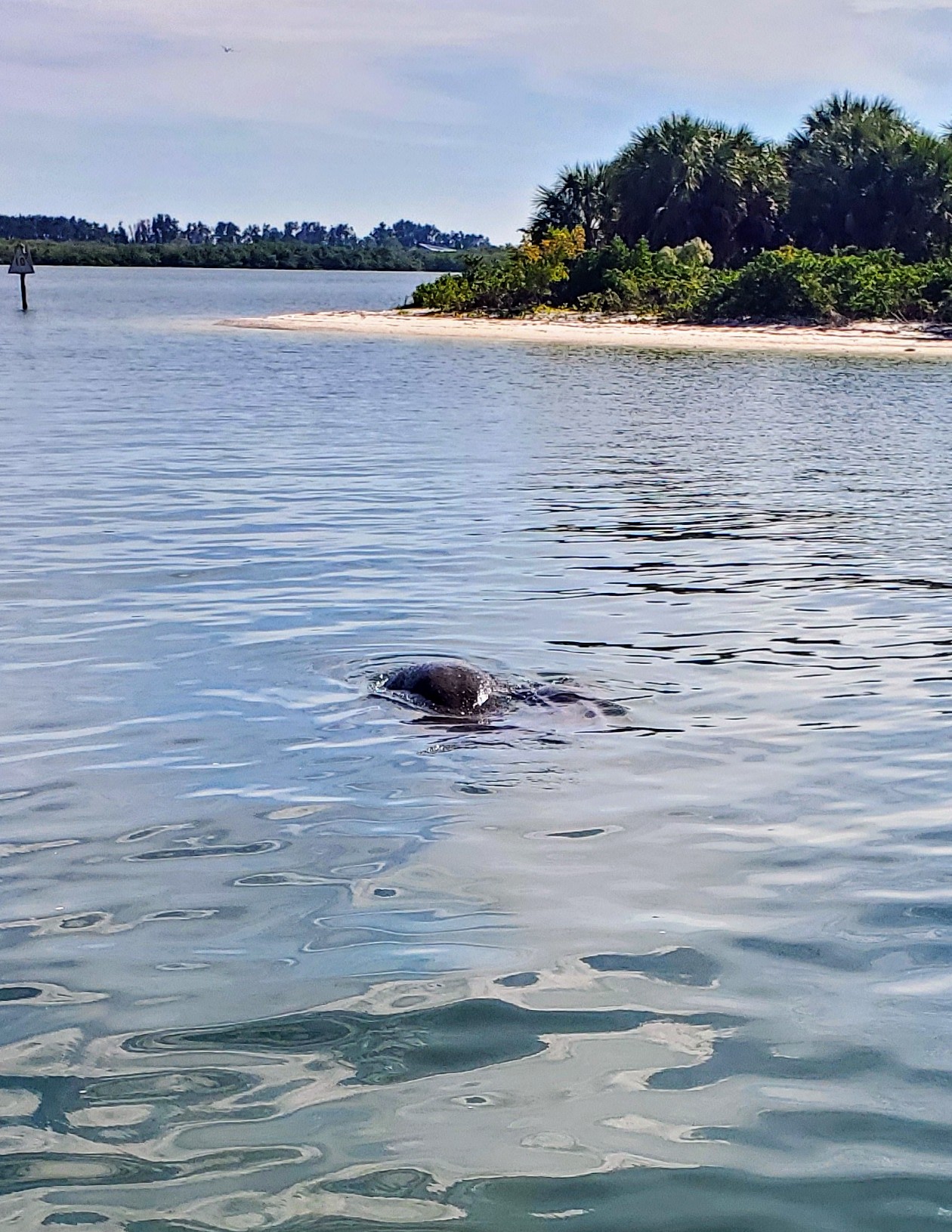
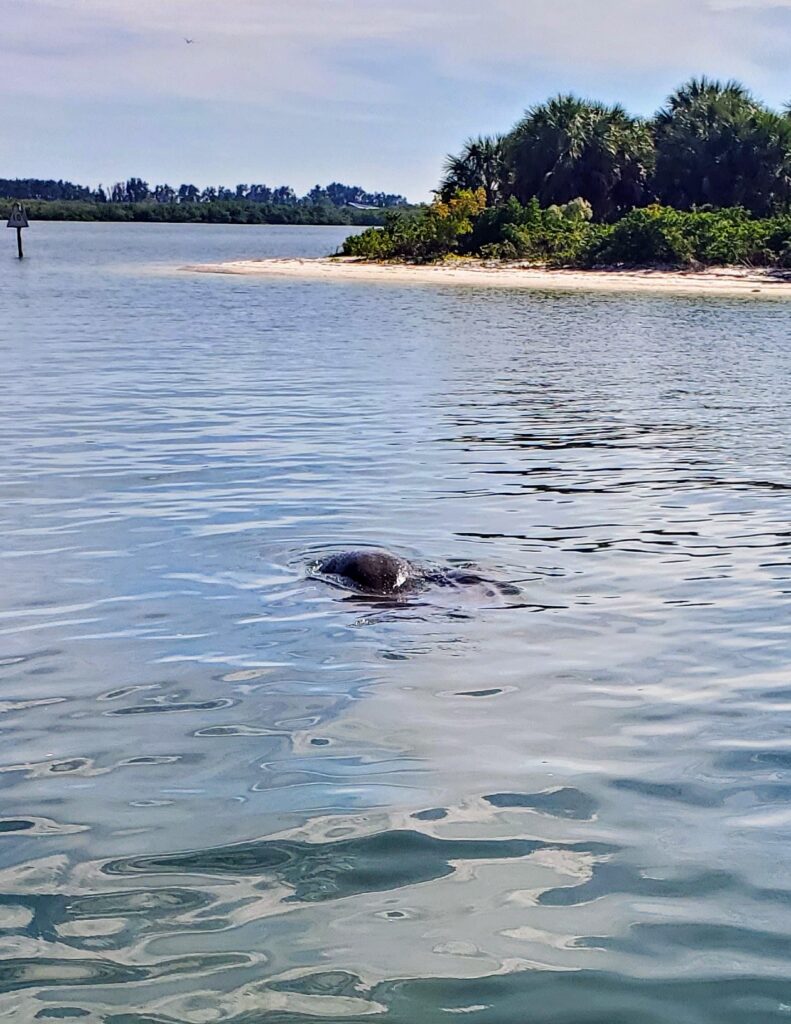
A manatee in the shallows off Apollo Beach.
Why do the manatees gather here?
Manatees are sensitive to cold water. During cooler periods, they seek warmer areas. The viewing center overlooks the Big Bend Power Station’s clean, warm-water discharge canal, which serves as a winter refuge.
Wildlife sightings vary because the animals are wild. Cooler days often create the best chance to see more manatees, but there’s plenty to explore even when the water is quiet.
What is there to see and do?
Manatee viewing boardwalks
Boardwalks overlook the warm-water area where manatees may gather. Interpretive information helps visitors learn about manatee behavior, habitat, and protection.
Tidal Walk
The 900-foot ADA-compliant Tidal Walk is part of the Great Florida Birding Trail. It passes native coastal plants and offers opportunities to see birds, fish, and other wildlife.
Education center
The education center explains the biology and conservation of Florida’s manatees. It’s a useful stop for adults and children, especially before or after viewing the water.
Cownose ray touch tank
The center also features a cownose ray touch tank. Availability can depend on operations and conditions, so confirm current exhibits on the official site.
Observation areas and habitat trails
Wear comfortable shoes if you plan to explore beyond the main boardwalks. Tampa Electric recommends closed-toe shoes, weather-appropriate clothing, and sunscreen. The center is open rain or shine.
How much time should you allow?
Tampa Electric says the average group spends about one to two hours. Allow more time if you want to explore the trails, observation areas, education displays, and the broader Florida Conservation and Technology Center campus.
Arrive before the trails close at 4 p.m. if those are part of your plan. Busy weekends and cooler days can attract larger crowds.
The TECO viewing center lagoon — warm water discharge is why the manatees gather here in winter.
What should you know before you go?
Check the weather and the official visitor page before your trip.
Go earlier in the day if you want a more relaxed visit.
Bring sunscreen and water, and wear comfortable shoes.
Leave pets at home unless you’ve a service animal.
Professional photography and drones require special attention to the center’s rules.
Never approach, feed, or disturb wildlife.
A glimpse of everyday Apollo Beach life
The Manatee Viewing Center isn’t just a tourist stop. It’s part of the local rhythm of Apollo Beach and a good example of why buyers choose Southshore. Residents can combine water-oriented living with easy access to Tampa, neighborhood amenities, and outdoor experiences.
Yes. Tampa Electric states that admission and parking are free.
When is the center open?
The regular season is November 1 through April 15, with daily hours from 10 a.m. to 5 p.m. Trails and the observation tower close at 4 p.m. Holiday exceptions apply.
Are manatees guaranteed?
No. The manatees are wild, and sightings depend on water temperature and natural conditions.
Can I bring my dog?
No pets are allowed. Service animals are welcome.
How long should I plan to stay?
Most groups spend about one to two hours, but you may want longer if you explore the trails and other exhibits.
Tariffs sound like a headline problem, not a Florida real estate problem. They’re both.
Why do tariffs matter to Florida housing?
When duties change on imported materials, it works its way into what builders and contractors pay — and eventually into what a renovation quote or a new-construction price looks like. It isn’t automatic and it isn’t uniform; it depends on the product, where it’s made, what’s already sitting in the warehouse, whether there’s a domestic alternative, existing supplier contracts, labor, freight, and how much of the increase a business decides to absorb. But steel, aluminum and copper show up in framing, fasteners, roofing, windows and doors, wiring, HVAC, appliances, railings — and, around here, docks and boat lifts.
Tariff schedules and exemptions can change. A real estate decision should use a current, itemized quote rather than a broad headline or a national cost estimate.
Materials costs move through builders first, then into resale pricing and renovation quotes.
Where would a buyer actually notice it?
New construction pricing
A builder may revise base prices, option prices, escalation language, or construction allowances when material costs change. Buyers should ask which selections are fixed, which are allowances, whether substitutions are permitted, and what the contract says about cost increases or delays.
Renovation and repair bids
Contractors may place shorter expiration dates on bids when suppliers can’t hold a price. Before choosing a proposal, compare the product specification, labor, permits, delivery, disposal, warranty, and the exact period the price is valid. A lower initial bid isn’t necessarily the lower final cost if major components remain allowances.
Waterfront improvements
Southshore waterfront properties may require specialized metal and electrical components for docks, lifts, seawalls, gates, pool enclosures, and outdoor systems. Pricing also depends on engineering, permitting, site access, marine conditions, and contractor availability. Tariffs are only one variable.
Insurance-related repairs
After a major storm, demand, labor shortages, transportation problems, and material availability can move prices at the same time. Homeowners shouldn’t assume that every increase is caused by a tariff. Ask for documentation, scope details, and alternatives that meet code, permit, warranty, and insurance requirements.
What should buyers do before making an offer?
Identify any immediate roof, window, HVAC, electrical, appliance, dock, lift, or seawall work.
Obtain current contractor estimates for expensive projects when the inspection period allows.
Ask how long each quote is valid and whether materials are in stock.
Confirm whether the product specification can change and who approves a substitute.
Keep a contingency reserve for older homes or complex waterfront work.
Review permits and open permits with the appropriate local authority.
Sellers should price repairs before promising credits or starting a project. Decide whether a repair is necessary for safety, insurability, financing, marketability, or buyer confidence. Some cosmetic work doesn’t return its cost, while unresolved roof, electrical, moisture, permit, or waterfront concerns can reduce the buyer pool.
A new home may offer current systems and builder warranties, but the contract can contain allowances, substitutions, and construction timelines that deserve careful review. A resale may offer a clearer view of the finished home and neighborhood, yet it can require near-term repairs. Compare the complete cost, not simply the list price.
For both options, include financing, insurance, taxes, HOA or CDD assessments, upgrades, window treatments, appliances, landscaping, and the cost of work required after closing.
Frequently asked questions
Do tariffs always raise home prices?
No. Tariffs can increase the cost of certain imported inputs, but the final effect depends on sourcing, competition, inventory, contracts, demand, labor, and how costs are absorbed or passed through.
Can a contractor change a signed price because material costs rose?
The answer depends on the contract. Review escalation clauses, allowances, substitutions, change-order rules, and expiration dates before signing. Consult a Florida attorney when contract rights are unclear.
Should buyers delay a renovation because of tariffs?
Not based on headlines alone. Get current itemized bids, compare alternatives, confirm availability, and evaluate the urgency and long-term value of the work.
What matters most for waterfront projects?
Material cost matters, but engineering, permits, access, environmental conditions, contractor specialization, and maintenance history can be equally important.
Trade policy changes frequently. This article is educational and doesn’t provide legal, tax, contracting, or financial advice. Confirm current product pricing and contract terms with qualified professionals.
Comparing a Florida home, renovation, or waterfront property? I can help you organize the real estate questions and connect the property condition to the complete ownership plan.
One of the genuinely great things about living here is the range. Roller coasters one weekend, a natural spring the next, a Gulf beach sunset after that — all within an easy drive.
This is for new residents, relocation buyers, and anybody who’s about to have family visiting and needs a plan. These are the places that actually explain the region to somebody, not just fill an afternoon.
Quick guide: choose your Tampa Bay day
Thrills and animals: Busch Gardens Tampa Bay
Marine life: The Florida Aquarium
Walking, museums, and dining: Tampa Riverwalk
Beach and sunset: Clearwater Beach and Pier 60
History and food: Ybor City
Water park: Adventure Island
Waterfront park and skyline views: St. Pete Pier
Old Florida experience: Weeki Wachee Springs State Park
Wildlife and conservation: ZooTampa
Free seasonal wildlife outing: TECO Manatee Viewing Center
The Sunshine Skyway, one of the drives worth doing in your first month here.
1. Busch Gardens Tampa Bay
Busch Gardens Tampa Bay combines major roller coasters, animal habitats, family attractions, and seasonal events. It works well for thrill-seekers, families, and visitors who want a full-day destination without driving to Orlando.
Schedules, ride operations, ticket prices, and seasonal events change, so check the official calendar before choosing your day.
2. The Florida Aquarium
The Florida Aquarium in Tampa’s Channel District offers exhibits focused on Florida waterways and marine environments from around the world. Its downtown location makes it easy to combine with Sparkman Wharf, Water Street, or part of the Riverwalk.
This is a strong rainy-day or hot-weather option, although some experiences and exhibits may be outdoors or separately scheduled.
3. Tampa Riverwalk
The Tampa Riverwalk connects parks, restaurants, museums, and entertainment along the Hillsborough River. You can tailor the outing to your energy level, from a short waterfront walk to a full day that includes the Tampa Museum of Art, Glazer Children’s Museum, or nearby dining.
For newcomers, the Riverwalk is one of the easiest ways to understand how downtown Tampa’s neighborhoods and waterfront fit together.
4. Clearwater Beach and Pier 60
Clearwater Beach offers broad Gulf views, restaurants, boating excursions, and the Pier 60 area. The nightly sunset activity is popular, so allow extra time for traffic and parking during peak periods.
Before driving across the bay, check current beach conditions and weather. Beach access, events, and facilities can change after storms or during maintenance.
5. Historic Ybor City
Ybor City is one of Florida’s National Historic Landmark Districts and a central part of Tampa’s cigar-making and immigrant history. Explore the district during the day for architecture, the Ybor City Museum State Park, restaurants, shops, and the TECO Line Streetcar.
Ybor changes after dark, when nightlife becomes a bigger part of the district. Families and history-focused visitors may prefer a daytime itinerary.
6. Adventure Island
Adventure Island is Tampa’s seasonal water park, with water slides, pools, and family areas. It’s separate from Busch Gardens even though the parks are closely associated.
Review the operating calendar before promising this outing to visitors. Hours and open attractions can vary by season and weather.
The TECO Manatee Viewing Center in Apollo Beach — free, and busiest when the weather turns cold.
7. St. Pete Pier
The St. Pete Pier extends into Tampa Bay from downtown St. Petersburg. Its 26-acre waterfront district includes walking and biking space, dining, art, play areas, and views across the bay.
Pair the pier with downtown St. Pete museums, restaurants, or a walk through the surrounding waterfront parks. Reservations aren’t required simply to visit the pier, although individual restaurants and events may have their own policies.
8. Weeki Wachee Springs State Park
Weeki Wachee Springs State Park is an Old Florida experience known for underwater mermaid performances, a riverboat cruise, wildlife programs, and spring recreation. Some activities are seasonal, capacity-limited, or weather-dependent.
Weeki Wachee is farther from central Tampa than the other stops in this guide. Treat it as a day trip and confirm current schedules, admission, and availability before leaving.
9. ZooTampa at Lowry Park
ZooTampa combines animal habitats, conservation education, family experiences, and a well-known Florida wildlife focus. It’s a practical choice for families who want a full outing without traveling far from central Tampa.
Look at the daily schedule for talks, encounters, and seasonal programming. Outdoor exhibits make weather planning important.
10. TECO Manatee Viewing Center in Apollo Beach
From November 1 through April 15, the TECO Manatee Viewing Center offers free admission and parking in Apollo Beach. Visitors may see manatees gathering in the clean, warm-water discharge canal during cooler weather, along with boardwalks, habitat trails, education exhibits, and other wildlife.
Wildlife is never guaranteed. Check Tampa Electric’s official page for hours and closures before your visit.
How locals plan around Tampa Bay
Group destinations by side of the bay instead of crossing bridges repeatedly.
Allow more drive time during rush hour, major events, and beach weekends.
Check official calendars, weather, parking, and ticket requirements the morning of your outing.
Carry water and sun protection, even on days that begin cool or cloudy.
Build in time for the places between the attractions: waterfront parks, neighborhood restaurants, and local shops.
Frequently asked questions
What’s the best Tampa Bay attraction for first-time visitors?
It depends on the group. Busch Gardens is best for a full theme-park day, the Riverwalk offers an easy introduction to downtown Tampa, and Clearwater Beach or St. Pete Pier provides a waterfront experience.
What can I do near Tampa Bay for free?
The Tampa Riverwalk and St. Pete Pier can be enjoyed without general admission. The TECO Manatee Viewing Center offers free admission and parking during its open season. Parking and optional activities may still have costs elsewhere.
What’s a good rainy-day attraction?
The Florida Aquarium and area museums are useful options, although severe weather may still affect travel or operations.
Which attractions feel most like local Florida?
Ybor City, Weeki Wachee Springs, the TECO Manatee Viewing Center, and the Gulf beaches each reveal a different part of the region’s history, nature, and lifestyle.
Nestled along Florida’s stunning Gulf Coast, Apollo Beach is a hidden gem that offers the perfect blend of coastal beauty, community spirit, and modern convenience. Whether you’re a longtime Floridian or considering a move to the Sunshine State, Apollo Beach has something special to offer everyone.
Coastal Living at Its Best
Apollo Beach is renowned for its waterfront lifestyle. With miles of canals and easy access to Tampa Bay, it’s a haven for boating enthusiasts, anglers, and anyone who loves being near the water. Many homes feature private docks, making it easy to set sail from your backyard. If you’re more of a landlubber, the beautiful views and quiet sunsets over the bay will still captivate your heart.
A Thriving Community
This vibrant town is more than just a picturesque setting. Apollo Beach is home to a warm, welcoming community. Residents enjoy a calendar full of local events, from farmer’s markets to outdoor concerts. The Apollo Beach Nature Preserve is a favorite spot for hiking, picnicking, and wildlife observation, offering a slice of natural Florida to explore.
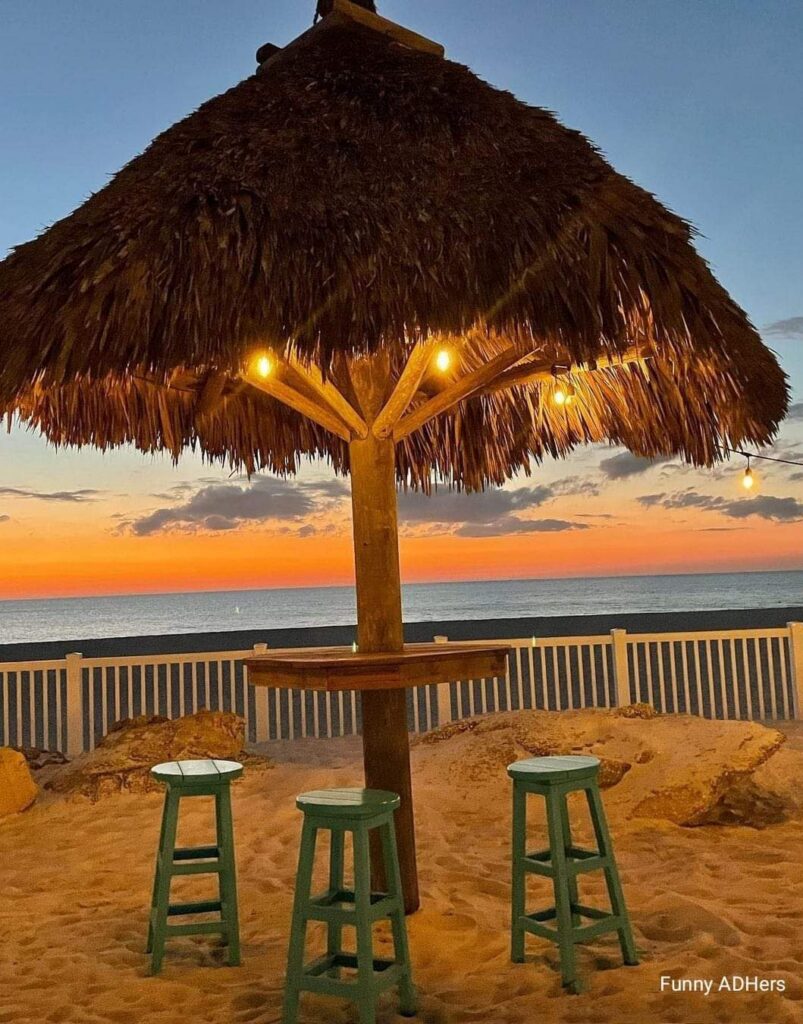
A tiki bar at dusk — one of the reasons people stop looking after they visit.
Amenities and Convenience
Apollo Beach offers all the modern conveniences you need. The area has excellent schools, shopping centers, and dining options ranging from casual waterfront eateries to fine dining experiences. Plus, with easy access to Tampa and St. Petersburg, big-city attractions like museums, professional sports, and international airports are just a short drive away.
The real estate market in Apollo Beach is as diverse as its residents. From large waterfront estates to charming family homes and maintenance-free condos, there’s a property to fit every lifestyle and budget. Master-planned communities like Mirabay and Waterset offer resort-style amenities, including pools, fitness centers, and walking trails, making them particularly attractive to families and retirees alike.
Apollo Beach is more than just a place to live—it’s a way of life. Whether you’re drawn by the call of the water, the sense of community, or the opportunity to enjoy Florida’s sunshine year-round, this charming coastal town has it all.
If you’re considering making Apollo Beach your home, I’d love to help you find the perfect property to match your needs. Let’s explore this beautiful area together and discover why so many people are proud to call Apollo Beach home.